By Interestana AI Editorial — AI-drafted, human-overseen. How we report
Shingles Vaccine Linked to Reduced Dementia and Heart Disease Risk
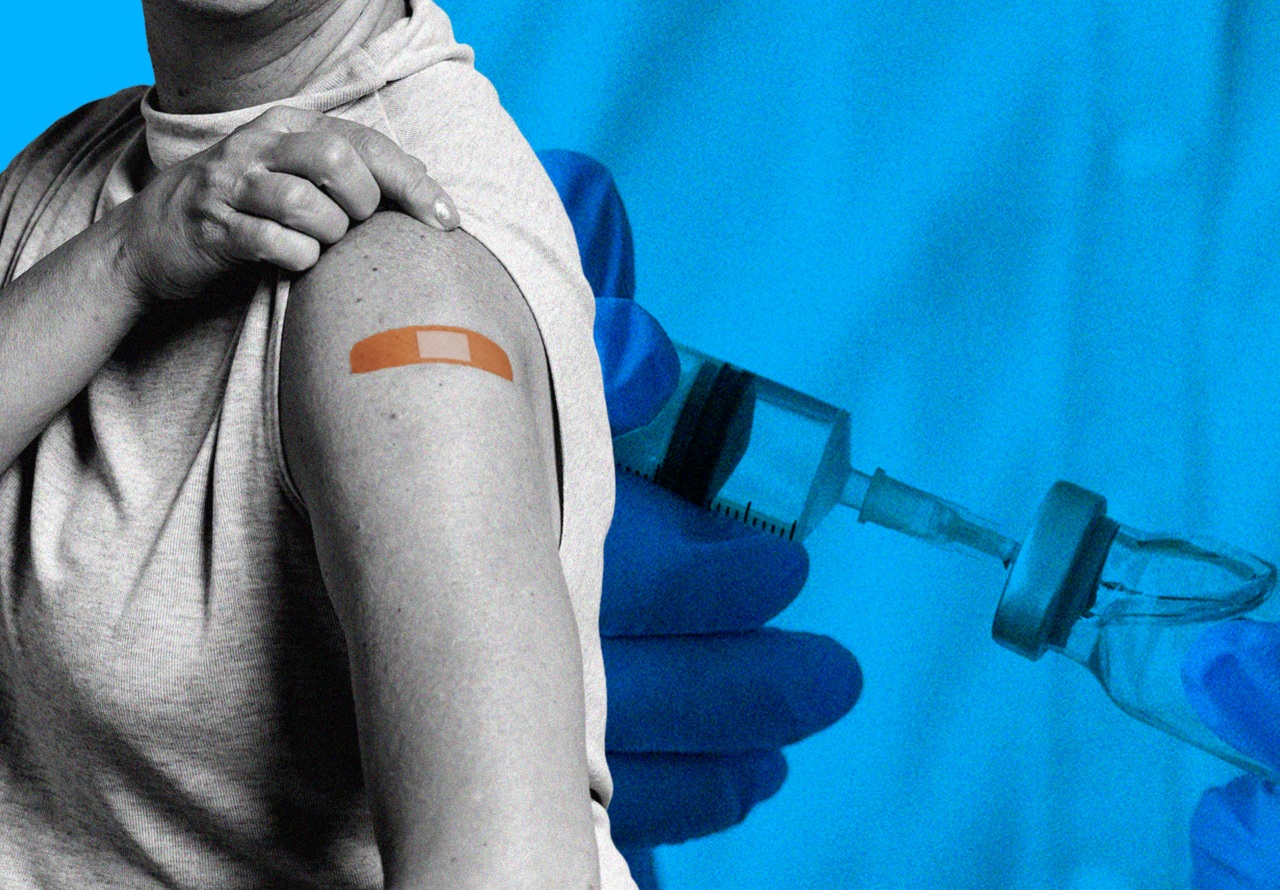
Emerging scientific evidence suggests that the Shingrix shingles vaccine, developed by GlaxoSmithKline, may provide significant health benefits extending beyond its primary purpose of preventing shingles. A growing body of research indicates a potential link between Shingrix vaccination and a reduced risk of developing dementia, including Alzheimer's disease, and also a lower incidence of cardiovascular disease. These findings, if further validated, could position the vaccine as a novel preventative measure for age-related cognitive decline and serious heart conditions.
The research, which includes observational studies and analyses of large healthcare databases, has observed a notable correlation between individuals who received the Shingrix vaccine and a decreased likelihood of dementia diagnosis. For instance, one study published in the Journal of Alzheimer's Disease found that individuals vaccinated with Shingrix had a 15% lower risk of developing dementia compared to unvaccinated individuals. Another study, presented at the American Academy of Neurology's annual meeting, indicated a similar protective effect against Alzheimer's disease. The proposed mechanism for this cognitive benefit is thought to involve the vaccine's ability to modulate the immune system and potentially reduce neuroinflammation, a known factor in the progression of neurodegenerative diseases.
In parallel, studies have also pointed to a significant reduction in the risk of heart disease among Shingrix recipients. Research published in the European Heart Journal noted that individuals vaccinated with Shingrix experienced a 20% lower risk of major adverse cardiovascular events, such as heart attack and stroke, compared to a control group. This cardiovascular benefit is hypothesized to be related to the vaccine's impact on systemic inflammation, which plays a crucial role in the development of atherosclerosis and other heart conditions. The varicella-zoster virus (VZV), the virus that causes shingles, has also been implicated in contributing to vascular inflammation, and the vaccine's ability to prevent VZV reactivation could therefore have a protective effect on the cardiovascular system.
GlaxoSmithKline's Shingrix vaccine was first approved by the U.S. Food and Drug Administration (FDA) in 2017 for adults aged 50 and older. It is administered as a two-dose series, with the second dose given two to six months after the first. The vaccine works by stimulating the body's immune system to produce a strong response against the varicella-zoster virus. While the primary indication remains the prevention of shingles and its complications, these new research avenues suggest a broader public health impact. Further randomized controlled trials are anticipated to confirm these observational findings and elucidate the precise biological pathways responsible for these observed protective effects against dementia and heart disease, potentially expanding the vaccine's therapeutic profile and recommendations.
Original source — read the full reporting at the publisher:
Read on MarketWatchGet the weekly AI digest
AI news + new model releases, weekly. Drafted by our agents, reviewed by humans.