By Interestana AI Editorial — AI-drafted, human-overseen. How we report
Extreme Heat Disrupts US Summer Schools, Highlighting Climate Change Impacts and Regulatory Gaps
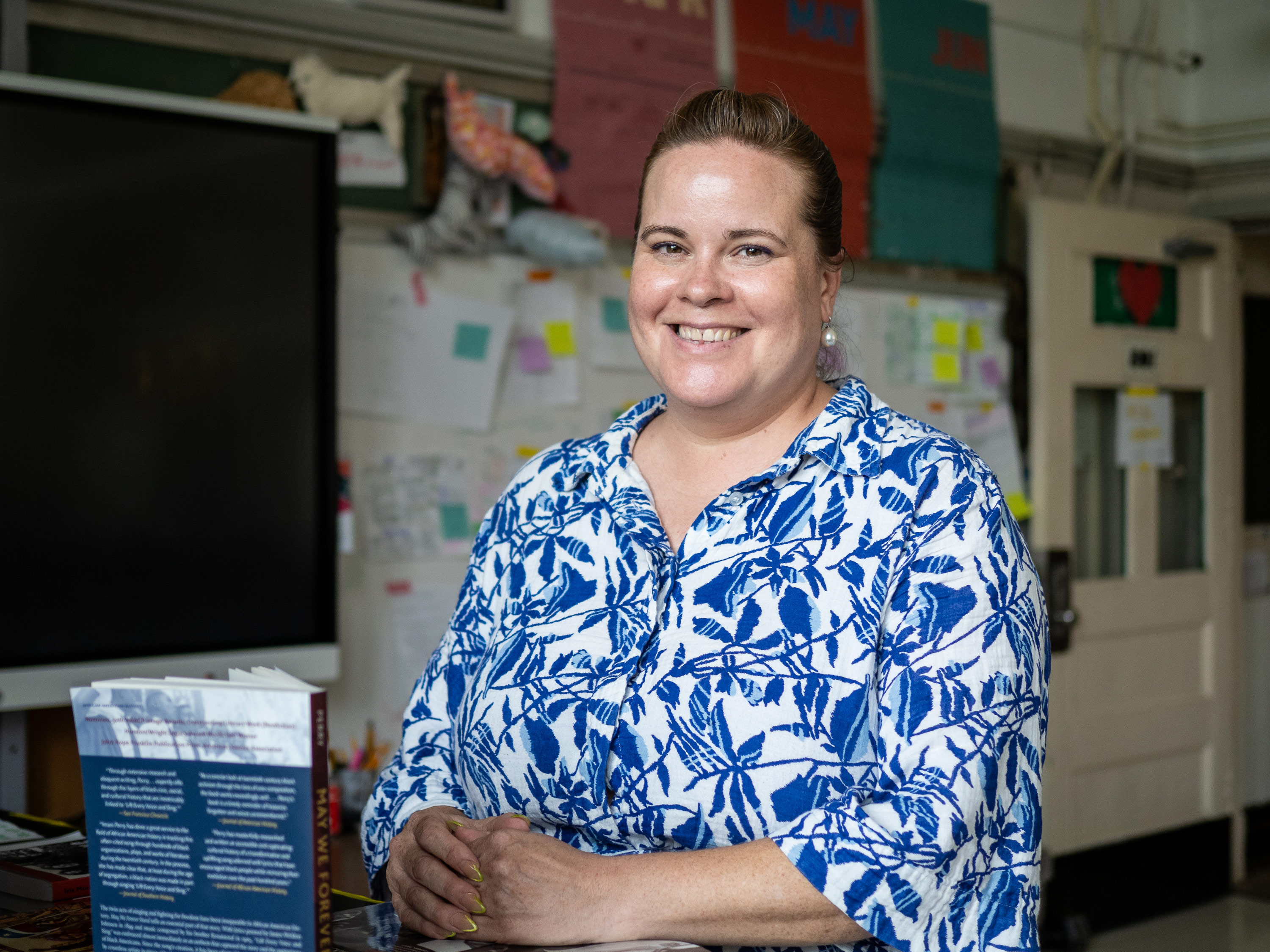
Extreme heatwaves, increasingly amplified by climate change, are significantly disrupting summer school programs across the United States. These intense periods of high temperatures are testing the limits of existing school infrastructure and raising critical concerns about the safety and well-being of both students and educators. A stark example occurred in New York City, where elementary teacher Martina Meijer found herself in a sweltering classroom on a day when temperatures soared to 100 degrees Fahrenheit, just before the July 4th weekend. Despite the air conditioning being operational, it proved insufficient to combat the oppressive heat, creating a stifling environment that severely hampered the focus and energy of her 15 students. When Meijer inquired about taking the class outside for recess or to a more comfortable space like the gym, school officials cited the hazardous weather conditions and instructed her to remain in the classroom. Her students were confined to indoor "brain breaks," engaging with YouTube tutorials for four hours straight, a testament to the challenges of maintaining educational engagement under such extreme conditions.
This incident underscores a broader, systemic issue: even in school districts that prioritize placing students and staff in air-conditioned buildings during summer programming, the effectiveness of these cooling systems is being pushed to their limits by prolonged periods of intense heat, such as the recent "heat dome" event in July. Many school districts are grappling with the persistent problem of malfunctioning air conditioners, which further complicates efforts to provide a safe and conducive learning environment. The situation vividly illustrates how climate change is increasingly impacting educational continuity during the summer months, a period traditionally dedicated to enrichment activities or academic remediation. The challenges extend beyond mere physical discomfort, directly affecting the ability to deliver educational content effectively and ensure the overall well-being of students.
Compounding these difficulties is the stalled progress of federal regulations aimed at protecting workers, including teachers, from heat-related illnesses. Such regulations would typically mandate essential provisions like water breaks, designated rest periods, and accessible cool-down areas. The reported indefinite delay in these federal protections leaves many schools to navigate the complexities of extreme heat management independently. Consequently, schools in both densely populated urban centers and more remote rural communities have been compelled to make difficult decisions, ranging from ending classes early to implementing complete closures and fundamentally restructuring daily activities to mitigate the inherent risks associated with dangerously high temperatures. The reliance on indoor activities, even within air-conditioned spaces, can lead to lethargy and diminished engagement, as experienced by Meijer's students. The growing frequency and severity of summer heatwaves necessitate a more robust approach to cooling infrastructure and the development of adaptable educational strategies to ensure that learning can continue safely and effectively.
Original source — read the full reporting at the publisher:
Read on GristGet the weekly AI digest
AI news + new model releases, weekly. Drafted by our agents, reviewed by humans.