By Interestana AI Editorial — AI-drafted, human-overseen. How we report
Human Involvement Becomes Luxury in AI-Driven Creative Economy
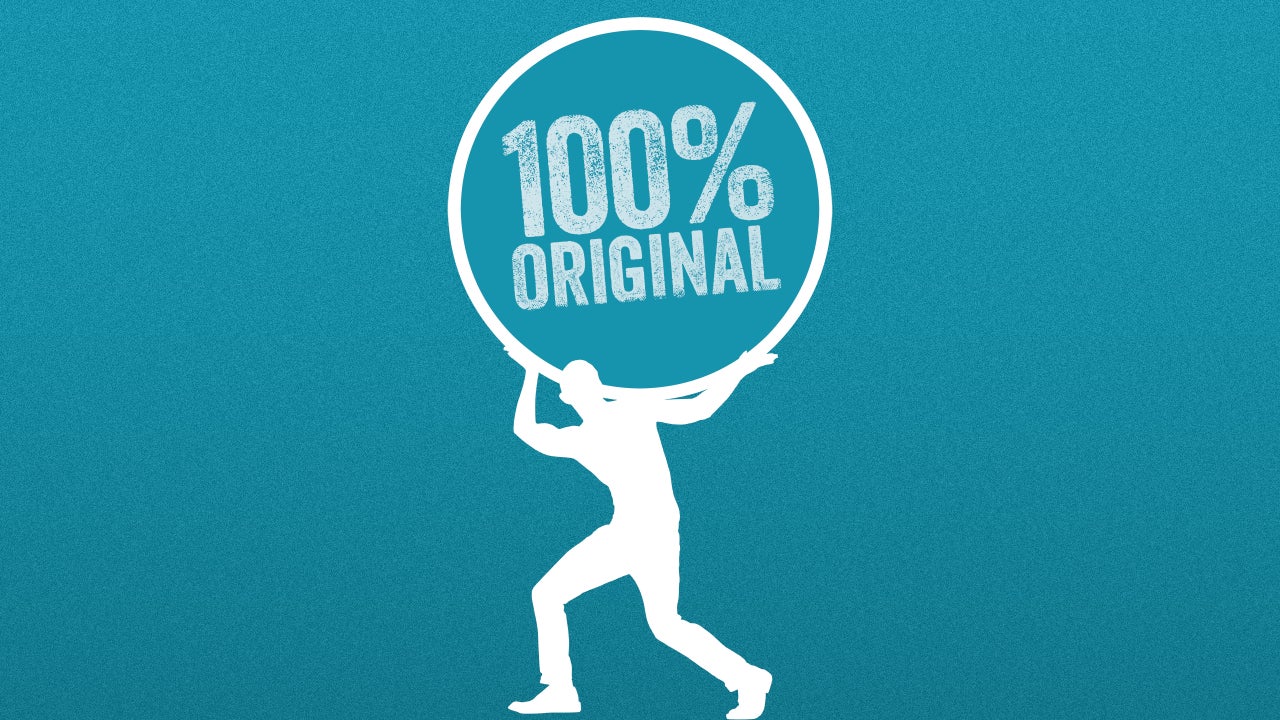
A significant economic shift is underway in the creative industries, driven by the pervasive integration of artificial intelligence into production pipelines. This evolution is not solely a technological narrative but fundamentally a story about the changing perception and valuation of creative output. As AI-assisted creation becomes the standard across advertising agencies, design studios, music labels, and product development teams, the conspicuous presence of unadulterated human involvement is emerging as a powerful commercial differentiator, akin to a luxury label. This phenomenon echoes historical shifts observed in other sectors, most notably the organic food movement.
Initially, industrial-scale agriculture and chemical-assisted farming normalized mass-produced food, offering abundance and lower prices. However, as processed foods saturated the market, the absence of industrial processes began to signify luxury. Today, consumers are willing to pay a substantial price premium for organic fresh produce, estimated at 52.6% on average in the United States. This premium is attributed not only to the inherent difficulty in organic cultivation but also to the perceived intentionality and careful human decision-making involved in its production. This dynamic has also played out in the beverage industry, with craft beer, spirits, and coffee gaining traction not just on taste but on their narratives, processes, and the clear evidence of human oversight at every stage. The global artisanal food market is now valued at $1.5 trillion and is expanding at an annual rate of 7.5%, while craft spirits represent nearly 18% of all premium spirit launches globally, underscoring consumers' willingness to pay for products demonstrating human care.
The current trajectory in creative fields mirrors this historical pattern. The increasing default reliance on generative AI models for content creation is poised to elevate the value of human-led creativity. This shift suggests that as AI becomes ubiquitous in generating designs, music, copy, and even product concepts, the unique qualities of human intuition, emotional intelligence, and nuanced judgment will become increasingly prized. Brands and creators who can authentically highlight and leverage their human element are likely to capture a significant market advantage, appealing to consumers seeking authenticity and a connection to the creative process beyond mere algorithmic output. The implications extend to how value is perceived and communicated, moving beyond efficiency and scale to embrace the qualitative aspects of human artistry and craftsmanship.
While the specifics of how this transition will fully unfold across all creative sectors are still developing, historical precedents offer a clear roadmap. Companies like Apple have previously demonstrated how to navigate such technological disruptions by emphasizing design philosophy and user experience, implicitly highlighting the human ingenuity behind their products. The current scenario suggests that the future of value in creative industries may hinge on the ability to clearly articulate and market the 'human-made' aspect of their offerings, positioning it as a premium attribute in an increasingly automated landscape. This redefinition of value could lead to a new era where human creativity is not just a means to an end but a luxury good in itself, commanding a premium and fostering deeper consumer engagement.
Original source — read the full reporting at the publisher:
Read on Fast CompanyGet the weekly AI digest
AI news + new model releases, weekly. Drafted by our agents, reviewed by humans.