By Interestana AI Editorial — AI-drafted, human-overseen. How we report
Gen Z's Impact on Hollywood is Complex
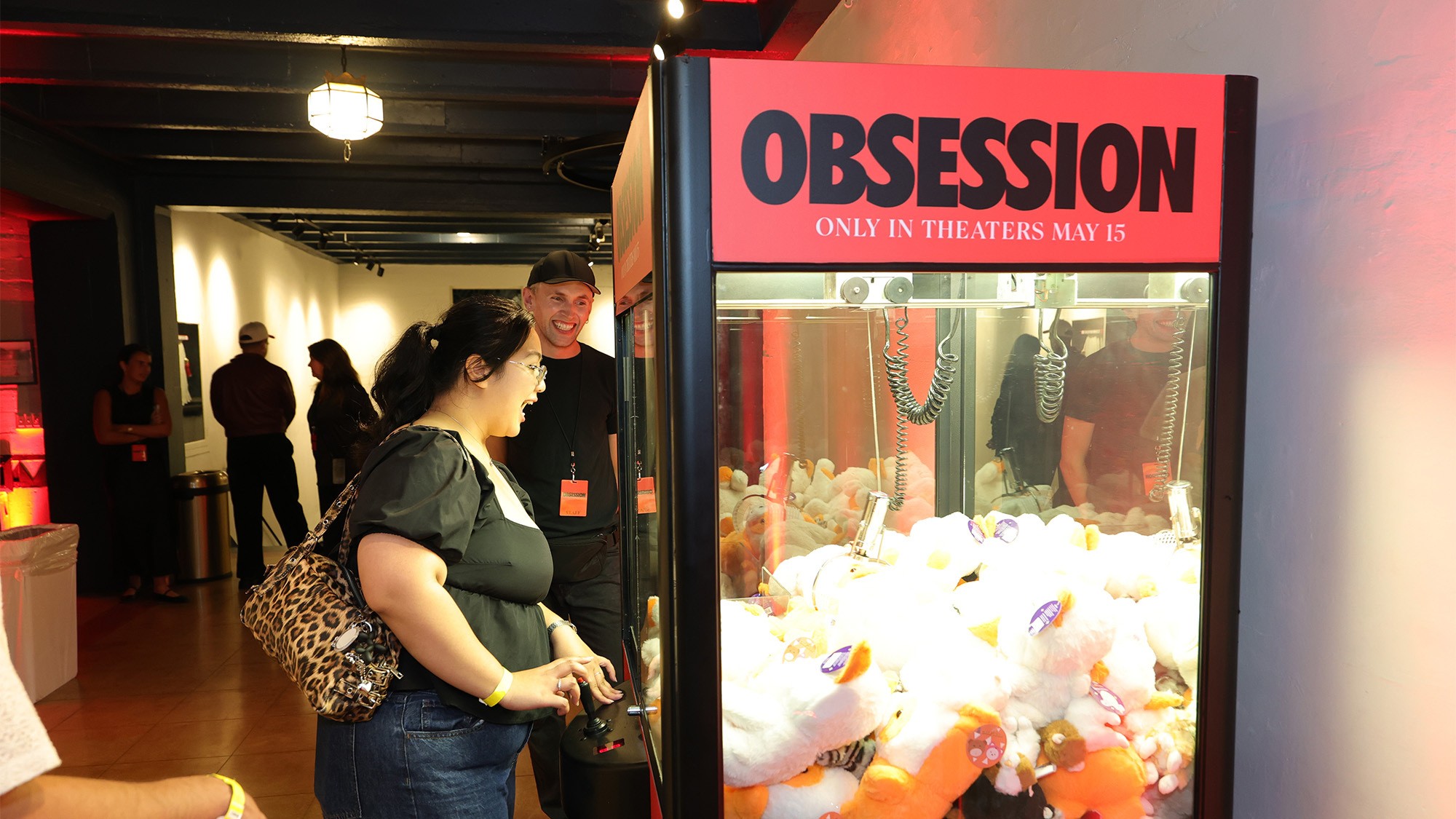
The notion that Gen Z is single-handedly revitalizing Hollywood is a simplification of a more intricate reality, according to industry analysis. While younger audiences are undeniably shaping entertainment consumption, their impact is multifaceted and involves a complex interplay of evolving habits, technological advancements, and shifts in the industry's core business models. The perception of Gen Z as saviors often stems from their engagement with certain platforms and content, but this engagement does not always translate into traditional Hollywood revenue streams. Instead, their preferences are driving a broader transformation in how content is created, distributed, and monetized. This demographic, born roughly between 1997 and 2012, has grown up in a digital-first world, accustomed to on-demand access, personalized recommendations, and interactive experiences. Their viewing habits differ significantly from previous generations, with a pronounced preference for streaming services, short-form video content, and social media integration. This has led to a fragmentation of the audience and a challenge for traditional theatrical releases and linear television. The success of platforms like TikTok and YouTube, where Gen Z spends a significant amount of time, highlights their inclination towards user-generated content and influencer-driven narratives, which often operate outside the established Hollywood studio system. Furthermore, Gen Z's economic realities, including student loan debt and a higher cost of living, can influence their spending priorities, potentially impacting discretionary spending on entertainment like movie tickets. However, their influence is also evident in the types of stories and themes that resonate, with a growing demand for diverse representation, social relevance, and authentic storytelling. This has pushed Hollywood to diversify its narratives and cast, reflecting a broader societal shift. The industry is attempting to adapt by investing more in streaming content, exploring interactive formats, and leveraging social media for marketing and engagement. The challenge lies in balancing these evolving audience expectations with the financial imperatives of a studio system built on large-scale productions and traditional distribution models. Therefore, while Gen Z is a powerful force shaping the future of entertainment, their role is not one of simple salvation but rather of catalyst for profound change within the Hollywood landscape, necessitating ongoing adaptation and innovation from established players.
Original source — read the full reporting at the publisher:
Read on The AtlanticGet the weekly AI digest
AI news + new model releases, weekly. Drafted by our agents, reviewed by humans.