By Interestana AI Editorial — AI-drafted, human-overseen. How we report
Campus Rape Culture and Online Misogyny Collide
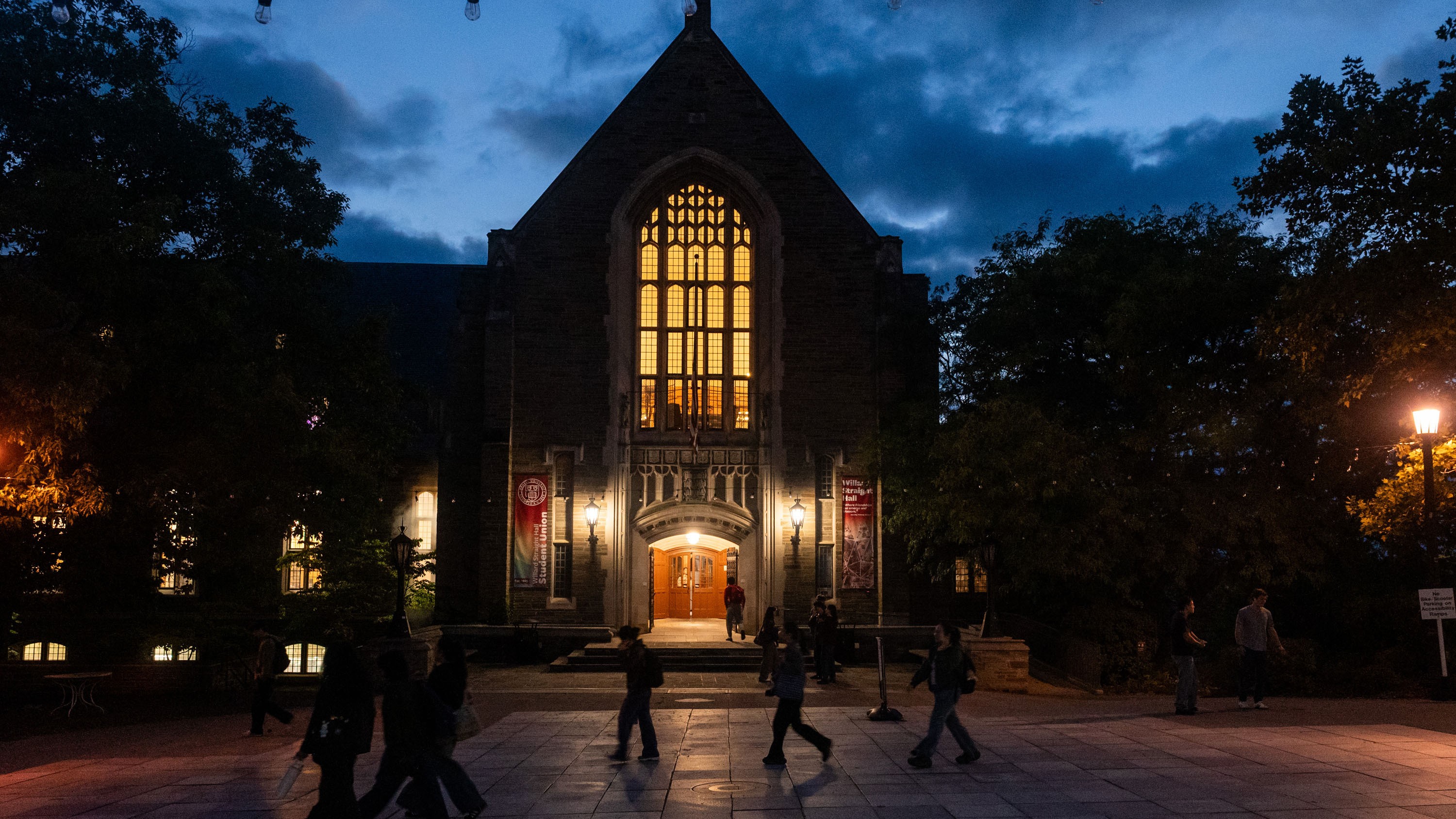
The safety of women on college campuses is facing new scrutiny due to the convergence of traditional campus rape culture and escalating online misogyny. This intersection was brought to the forefront by a lawsuit alleging gang rape at Cornell University and a recent Wired story detailing pervasive sexual cyberharassment. These incidents underscore a growing concern that the digital realm is exacerbating existing issues of sexual violence and harassment within higher education institutions.
The lawsuit filed against Cornell University centers on an alleged gang rape, bringing to light the persistent problem of sexual assault on college campuses. Such legal actions often serve to expose systemic failures in addressing sexual violence and protecting students. The Wired article, meanwhile, sheds light on the sophisticated and widespread nature of sexual cyberharassment. This form of harassment can include non-consensual sharing of intimate images, online stalking, and targeted digital abuse, often amplified by social media platforms and anonymous online forums. The combination of these two distinct but related issues creates a more complex and dangerous environment for female students.
Campus rape culture, characterized by victim-blaming, minimizing sexual assault, and a general insensitivity to the experiences of survivors, has long been a concern in academic settings. This culture can create an atmosphere where perpetrators feel emboldened and victims are discouraged from reporting incidents. The rise of online misogyny, which encompasses a wide range of hateful and discriminatory attitudes and behaviors directed at women online, adds another layer of threat. Online platforms can become breeding grounds for misogynistic content and harassment campaigns that can spill over into real-world interactions or create a constant sense of unease and fear for women.
The collision of these two phenomena means that women on college campuses may now face threats not only in physical spaces but also in their online lives. The digital tools that students use daily for communication, learning, and social connection can be weaponized against them. This dual threat necessitates a comprehensive approach to campus safety that addresses both in-person and online forms of harassment and violence. Universities are increasingly being called upon to implement robust policies and educational programs that tackle sexual assault, promote consent, and combat online misogyny, recognizing that the digital and physical worlds are inextricably linked in the experience of student safety.
Original source — read the full reporting at the publisher:
Read on The AtlanticGet the weekly AI digest
AI news + new model releases, weekly. Drafted by our agents, reviewed by humans.