By Interestana AI Editorial — AI-drafted, human-overseen. How we report
Ireland Boycotts Eurovision Again Over Gaza Deaths
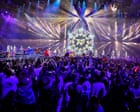
Ireland has announced its decision to boycott the 2027 Eurovision Song Contest, marking the second consecutive year of protest against Israel's participation and the ongoing conflict in Gaza. The national broadcaster RTÉ confirmed the decision, citing the "appalling" ongoing killing in Gaza as the primary reason for the withdrawal. This follows a similar boycott in the previous year, where Ireland was among five countries that refused to take part in the competition. These nations included Iceland, the Netherlands, Spain, and Slovenia, all of whom lodged protests against Israel's inclusion in the event.
The Eurovision Song Contest, organized by the European Broadcasting Union (EBU), is a popular international song competition involving primarily European countries. Its rules typically stipulate that participating countries must not have political or commercial messages in their entries. However, the inclusion of Israel in recent contests has drawn significant criticism and controversy, particularly in light of the ongoing Israeli-Palestinian conflict. Critics argue that allowing Israel to participate, especially during periods of heightened conflict and civilian casualties, undermines the contest's apolitical stance and sends a problematic message.
The decision by Ireland and other nations to boycott Eurovision highlights a growing trend of cultural and sporting boycotts as a form of protest against perceived political actions by states. In the context of the Gaza conflict, which has resulted in a high number of civilian deaths and a severe humanitarian crisis, these boycotts serve as a public statement of disapproval and solidarity with the affected populations. The EBU has previously defended Israel's participation, stating that Eurovision is a non-political event and that the national broadcasters are responsible for ensuring their entries adhere to the rules. However, the persistent boycotts suggest that the EBU's stance is not universally accepted and that the political implications of including certain countries are increasingly difficult to ignore.
Ireland's decision to boycott for a second year indicates a firm commitment to its protest and suggests that the situation in Gaza has not improved sufficiently to warrant participation. The national broadcaster's statement emphasizes the severity of the ongoing deaths, framing the boycott as a moral imperative. This action by Ireland, alongside other European nations, puts pressure on the EBU to reconsider its policies regarding the participation of countries involved in significant geopolitical conflicts. The long-term impact of these boycotts on the Eurovision Song Contest's format and its ability to remain a unifying cultural event remains to be seen, but it is clear that the intersection of politics and entertainment is becoming an increasingly contentious issue.
Original source — read the full reporting at the publisher:
Read on The Guardian WorldGet the weekly AI digest
AI news + new model releases, weekly. Drafted by our agents, reviewed by humans.