By Interestana AI Editorial — AI-drafted, human-overseen. How we report
Iraq's Ghost Villages Face Climate Crisis After ISIS
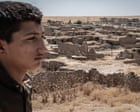
Nearly a decade after the end of conflict in northern Iraq, the climate crisis has emerged as a significant obstacle to the return of residents to villages previously displaced by the Islamic State (IS). In Faka, a small village located in the Sinjar district, the silence is palpable, with no children playing in the streets and no shops operating. The landscape is marked by roofless houses, their walls bearing the scars of shellfire, and weeds growing through collapsed living rooms, a stark visual testament to the lingering impact of war. While the presence of Islamic State remains a visible reminder of past conflict, the returning inhabitants report that a new adversary has taken hold: the climate crisis.
Rajab Mohammed, a resident of Faka, articulated that the primary challenges preventing a full return are no longer the direct threat of Islamic State but rather the severe scarcity of water and the lack of employment opportunities. This situation is exacerbated by extreme heat and a pervasive water shortage, rendering life in these areas nearly impossible. The environmental degradation and resource scarcity are directly linked to the broader climate crisis, which is intensifying in the region. This environmental strain makes rebuilding and sustaining communities exceptionally difficult, even after the cessation of direct hostilities.
The displacement caused by Islamic State in the Sinjar district, a region historically inhabited by the Yazidi community and other minorities, led to the abandonment of numerous villages. While many residents have attempted to return following the defeat of IS, the harsh environmental conditions have created a new wave of challenges. The lack of reliable water sources impacts agriculture, which is a primary source of livelihood for many rural communities, and also affects daily living conditions. The extreme heat further compounds these issues, making outdoor work arduous and potentially dangerous, and increasing the demand for water. The absence of economic opportunities, such as jobs and viable agricultural prospects, further discourages resettlement.
The ongoing climate crisis in northern Iraq is characterized by rising temperatures and decreasing water availability, contributing to desertification and land degradation. These environmental shifts are not isolated incidents but are part of a larger global trend of climate change impacts, which disproportionately affect vulnerable regions and populations. For the ghost villages of Sinjar, the legacy of conflict is now intertwined with the existential threat posed by a changing climate. The inability to return and rebuild signifies a prolonged period of displacement and hardship for the affected communities, highlighting the complex interplay between geopolitical conflict and environmental vulnerability. The situation in Faka and other similar villages underscores the urgent need for climate adaptation strategies and sustainable development initiatives in post-conflict regions.
Original source — read the full reporting at the publisher:
Read on The Guardian EnvironmentGet the weekly AI digest
AI news + new model releases, weekly. Drafted by our agents, reviewed by humans.