By Interestana AI Editorial — AI-drafted, human-overseen. How we report
Iran Targets Own People Amid Internal Power Struggles
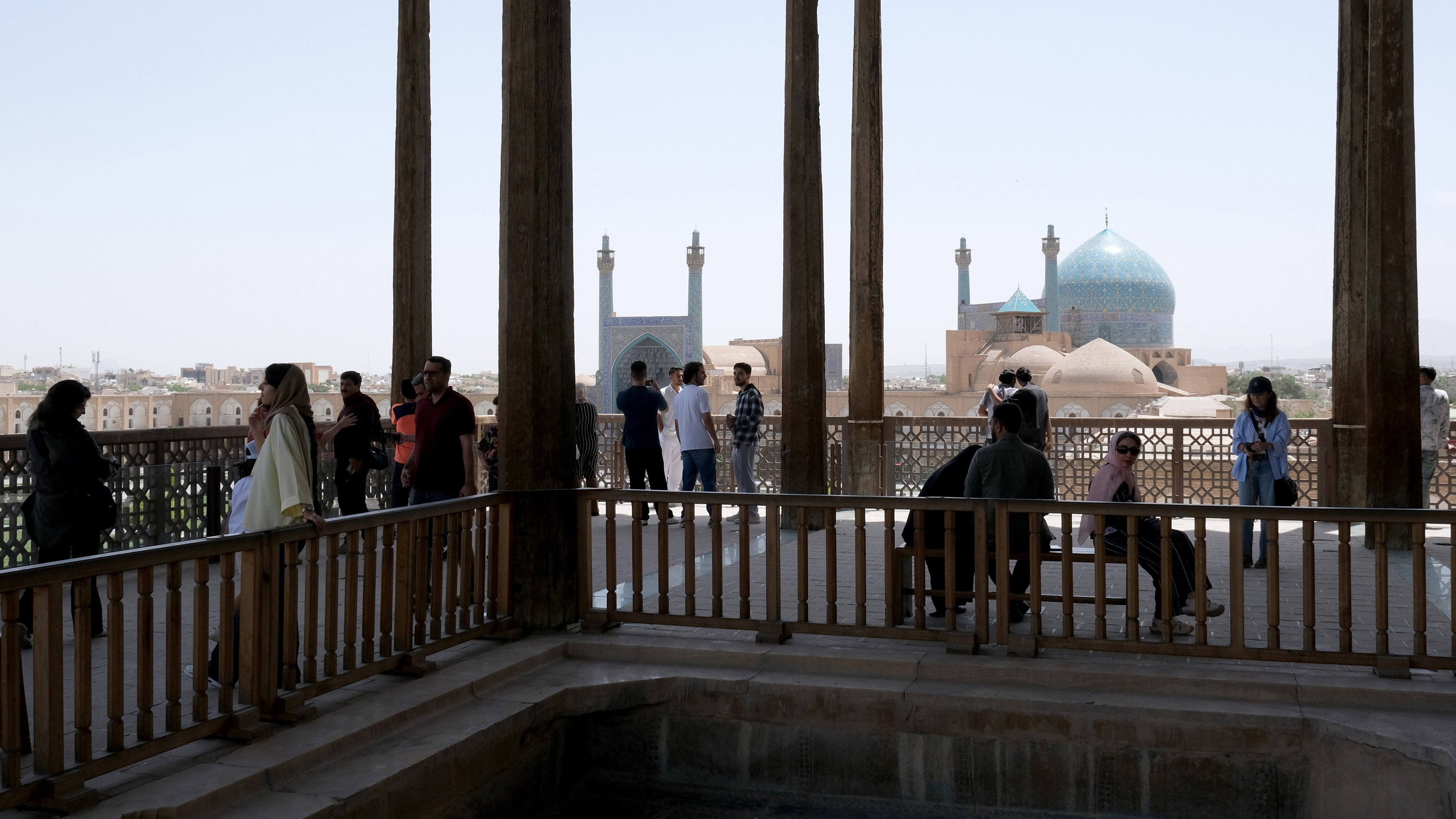
The Islamic Republic of Iran's primary objective is the subjugation of its own populace, a strategy employed to consolidate power and manage internal factional disputes. This internal focus dictates the regime's approach to governance, prioritizing control over genuine public welfare or democratic aspirations. The state apparatus, including security forces and intelligence agencies, is heavily geared towards surveillance and suppression of dissent, creating an environment where any perceived threat to the ruling structure is met with swift and often brutal action. This approach is not new but has intensified as various factions within the regime vie for influence and control, each seeking to bolster their position by demonstrating a firm hand against internal opposition.
The regime's narrative often frames external threats as a means to unify the population and justify internal repression. However, the evidence suggests that the most significant challenges to the Islamic Republic's authority originate from within its own society, fueled by economic hardship, social restrictions, and a desire for greater freedoms. The government's response to these internal pressures involves a multi-pronged strategy that includes censorship, the manipulation of information, and the systematic targeting of activists, journalists, and ordinary citizens who express critical views. The judiciary plays a crucial role in this system, often handing down severe sentences for offenses related to speech or assembly, thereby reinforcing the message that dissent will not be tolerated.
Furthermore, the internal power struggles within Iran's leadership contribute to this climate of repression. Different factions, often characterized by their ideological leanings or economic interests, compete for dominance. This competition can lead to unpredictable policy shifts and an increased reliance on security measures to maintain stability. For instance, a faction seeking to assert its authority might initiate a crackdown on perceived 'deviant' elements or implement stricter social controls, ostensibly to protect the revolution but in reality to consolidate its own power base. This dynamic creates a cycle where internal political maneuvering directly translates into increased pressure on the general population.
The ultimate target of the Islamic Republic's actions, therefore, remains its own people. The regime's survival is intrinsically linked to its ability to control and manage the population, preventing any organized challenge to its authority. This is achieved through a pervasive system of surveillance, the cultivation of fear, and the suppression of independent voices. The international community often focuses on Iran's foreign policy or nuclear program, but the internal dynamics of repression and control are fundamental to understanding the regime's behavior and its long-term stability. The focus on internal control shapes every aspect of governance, from economic policy to social regulations, all designed to reinforce the power of the ruling elite at the expense of the citizens' rights and freedoms.
Original source — read the full reporting at the publisher:
Read on The AtlanticGet the weekly AI digest
AI news + new model releases, weekly. Drafted by our agents, reviewed by humans.