By Interestana AI Editorial — AI-drafted, human-overseen. How we report
Iran Faces Internal Crises Amid Escalating War
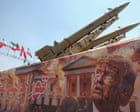
Iran is currently engaged in an escalating five-month war with the United States, a conflict that is exacerbating a series of internal crises. These domestic challenges range from public executions and the rising cost of living to accusations of bias against the state broadcaster and the controversial destruction of pavements outside liberal-leaning cafes in Tehran. The government reportedly fears social discontent, viewing the economy and livelihoods as the "most important battlefield" where the war's toll is being felt amidst anti-state dissent. This internal turmoil occurs as the external conflict broadens, drawing in Yemen, Iraq, and now Egypt, suggesting that advocates for escalation within Iran are gaining influence. Consequently, a convergence of Iran's internal and external conflicts appears increasingly likely.
The war with the United States has created a diplomatic deadlock characterized by mutual distrust, with neither side believing the other will adhere to any potential agreement. This impasse is a direct consequence of the war's expansion. The economic strain on Iran is significant, with inflation and unemployment contributing to widespread public dissatisfaction. Reports indicate that the cost of essential goods has surged, disproportionately affecting lower-income households and fueling protests in various cities. The government's response has often involved crackdowns, including public executions, which have drawn international condemnation and further inflamed internal tensions. The alleged bias of the state broadcaster in its reporting on the war and domestic issues has also been a point of contention, leading to a decline in public trust in state media.
Beyond economic and political grievances, social and cultural issues are also contributing to the unrest. The post-midnight destruction of pavements outside liberal-leaning Tehran cafes, for instance, highlights a broader societal tension between conservative elements and those advocating for greater personal freedoms. This act, seemingly trivial to some, symbolizes a crackdown on perceived Western influences and a tightening of social controls. The government's actions in these areas are often met with passive resistance or open dissent, creating a volatile environment. The convergence of these internal pressures with the ongoing external conflict presents a complex and dangerous situation for the Iranian regime, as it struggles to maintain stability on multiple fronts.
The escalating war with the United States has not only strained Iran's resources but has also intensified the scrutiny of its internal policies and human rights record. International organizations have repeatedly called on Iran to cease public executions and address the grievances of its citizens. The broadening of the conflict to include regional actors like Yemen, Iraq, and Egypt suggests a potential for wider destabilization in the Middle East, with Iran at the center of multiple interconnected crises. The internal dissent, fueled by economic hardship and a desire for greater freedoms, poses a significant challenge to the government's authority. The "most important battlefield" for the Iranian leadership appears to be its own population, where the war's impact is most acutely felt and where discontent could lead to more widespread challenges to the existing order.
Original source — read the full reporting at the publisher:
Read on The Guardian WorldGet the weekly AI digest
AI news + new model releases, weekly. Drafted by our agents, reviewed by humans.