By Interestana AI Editorial — AI-drafted, human-overseen. How we report
Iran's Rial Hits Record Low Amid New U.S. Sanctions Threat
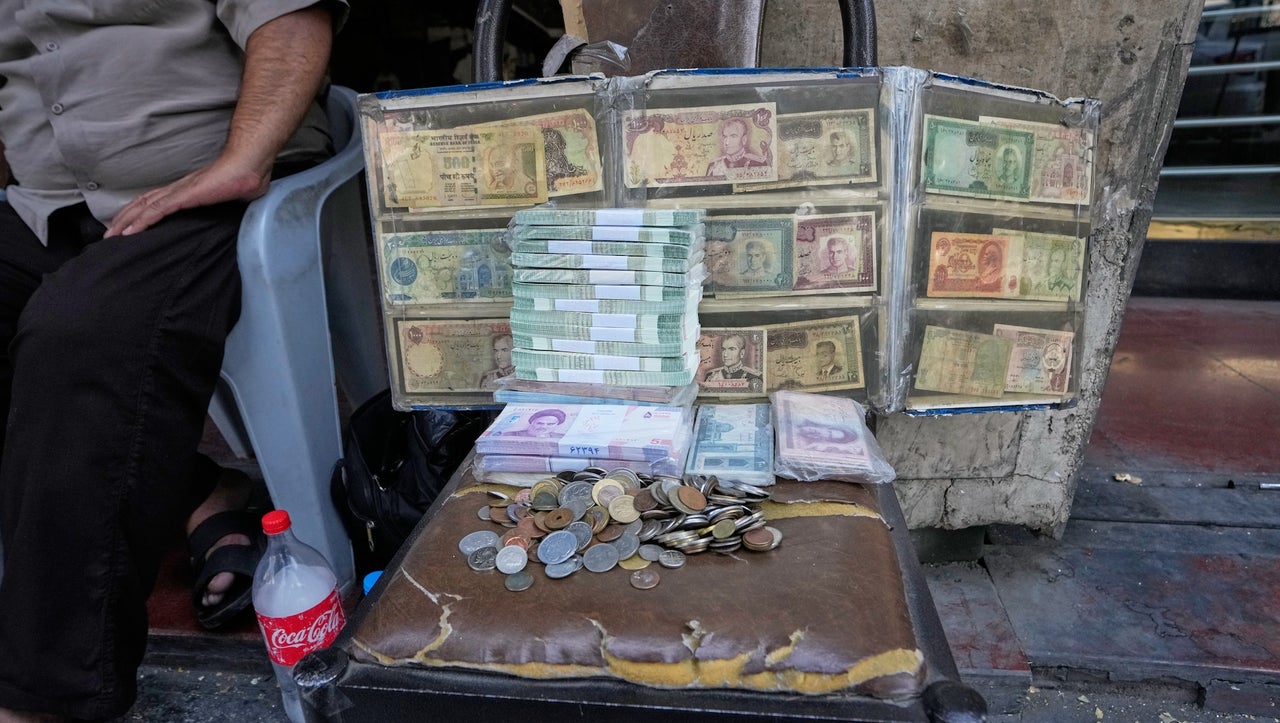
Iran's national currency, the rial, reached a historic low on Monday, trading at 2.02 million to the U.S. dollar as Washington prepared to announce additional sanctions. This economic pressure exacerbates an already struggling Iranian economy, which has been significantly impacted by previous sanctions and a U.S. naval blockade. While the official Central Bank rate was approximately 1.5 million rials to the dollar, the market rate reflects the reality for most Iranians. The rial had been declining prior to the U.S. and Israeli attacks on February 28, with Iran already contending with double-digit inflation and negative economic growth. The currency's value has continued to fall, with nearly six months of conflict taking a substantial toll on the population. Daily necessities have become increasingly unaffordable for Iranians; the price of rice has surged by 60%, and beef prices have more than doubled, increasing by over 150% since the conflict began. The International Monetary Fund projects a contraction of over 5% in Iran's gross domestic product. Despite the economic strain, political pressure has not yet materialized significantly. Iran maintains a critical strategic advantage through its actions and threats against shipping in the Strait of Hormuz, which has severely disrupted traffic in this vital waterway. This disruption has negatively impacted the global economy and intensified pressure on President Trump ahead of congressional elections. The conflict has evolved into a contest for control over the strait, a passage through which approximately one-fifth of the world's traded oil transited before the hostilities. Iran has indicated it will not fully reopen the strait unless it can impose charges on vessels. Reports suggest that Iran and Oman, situated on the opposite side of the strait, are nearing an agreement on a joint management plan for the waterway, with Oman's foreign minister scheduled to visit Iran on Tuesday. In an effort to break the current deadlock, the Trump administration announced that more stringent sanctions, including secondary sanctions targeting countries continuing to conduct business with Iran, would be unveiled on Monday. Ahead of this announcement, President Trump posted on social media, stating, "IRAN IS COMPLETELY COLLAPSING!!!"
Original source — read the full reporting at the publisher:
Read on Fast CompanyGet the weekly AI digest
AI news + new model releases, weekly. Drafted by our agents, reviewed by humans.