By Interestana AI Editorial — AI-drafted, human-overseen. How we report
Iran's Oil Exports Stymied as Gulf Rivals Boost Supply
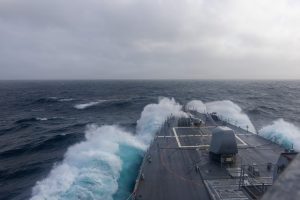
Iran's oil exports are significantly constrained by a U.S. naval blockade, preventing the regime from accessing crucial revenue streams. This blockade, reimposed by the Trump administration, is impacting Iran's economy, with officials and business leaders in Tehran warning of severe repercussions. Despite Tehran's claims of a complete closure, significant volumes of oil continue to move through the Strait of Hormuz, albeit through clandestine "dark" fleets and ship-to-ship transfers utilized by rivals such as Iraq, Qatar, Kuwait, and the UAE. While the U.S. administration has estimated that 8 million to 9 million barrels per day are being moved this way, analysts suggest the figure is closer to 7 million barrels daily. These flows, combined with pipeline exports, represent approximately half of pre-war levels, providing global energy markets with a temporary buffer. The situation is further complicated by the U.S. inability to fully reopen the Strait of Hormuz and Iran's capacity to disrupt shipping. Meanwhile, other Persian Gulf nations are set to increase their oil exports. Saudi Arabia, a major export powerhouse, is reportedly positioning its ships to engage in shuttle services, suggesting a forthcoming surge in its crude shipments. This development is occurring against a backdrop of ongoing U.S. military readiness concerns and munitions issues, contributing to a precarious stalemate. The current equilibrium, characterized by volatile but contained oil prices and localized missile exchanges without full-scale war, is considered unsustainable. Experts caution that Iran's leadership may be willing to endure prolonged economic hardship, potentially longer than the U.S. public's tolerance, making a resolution to the blockade uncertain. The economic strain on Iran is particularly acute, exacerbating pre-existing challenges within its economy, which is already struggling under sanctions and internal pressures. The ongoing geopolitical tensions in the region, coupled with the strategic importance of the Strait of Hormuz as a vital chokepoint for global oil transit, underscore the fragility of the current energy market stability. The interplay between U.S. sanctions, Iranian countermeasures, and the production capacities of regional rivals creates a complex and dynamic energy landscape.
Original source — read the full reporting at the publisher:
Read on FortuneGet the weekly AI digest
AI news + new model releases, weekly. Drafted by our agents, reviewed by humans.