By Interestana AI Editorial — AI-drafted, human-overseen. How we report
Iran's Regional Influence Discussed by Panelists
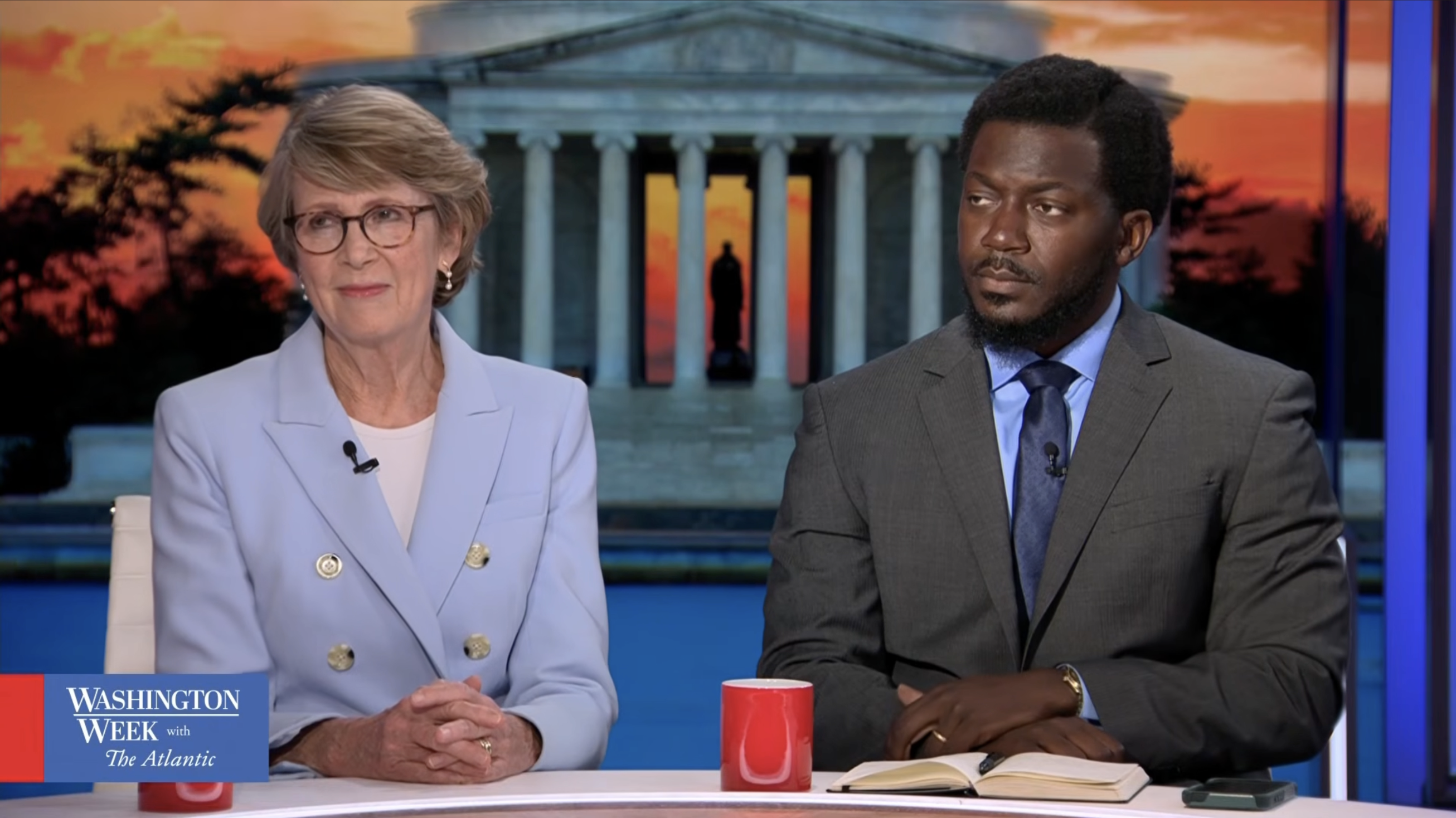
A panel of experts convened to discuss the multifaceted political consequences stemming from the persistent conflict in the Middle East and Iran's extensive regional influence. The discussion focused on how the ongoing hostilities, particularly those involving Iran and its proxies, are reshaping geopolitical dynamics and impacting regional stability. Panelists explored the intricate web of alliances and rivalries that characterize the Middle East, with a particular emphasis on Iran's strategic objectives and its methods of projecting power.
The conversation delved into the various mechanisms through which Iran exerts its influence, including support for non-state actors, its ballistic missile program, and its involvement in regional conflicts such as those in Syria, Yemen, and Iraq. The panelists examined the economic and social impacts of these conflicts on the populations within the affected regions, as well as the broader implications for international security. Specific attention was given to the role of sanctions imposed on Iran and their effectiveness in curbing its regional activities. The discussion also touched upon the internal political landscape of Iran and how external pressures and regional engagements influence domestic policy and public sentiment.
Furthermore, the panel addressed the potential for escalation and de-escalation in the current geopolitical climate. They analyzed the responses of key international actors, including the United States, European nations, and regional powers like Saudi Arabia and Israel, to Iran's assertive foreign policy. The experts considered various scenarios for future developments, weighing the likelihood of diplomatic breakthroughs against the persistent risk of further conflict. The long-term implications of Iran's current trajectory for the global energy market and international trade routes were also a significant point of discussion, given the strategic importance of the Persian Gulf and the Strait of Hormuz.
The panelists highlighted the complexity of the situation, noting that Iran's actions are often a response to perceived threats and a desire to secure its borders and interests. They discussed the challenges faced by international policymakers in formulating effective strategies that can promote stability without inadvertently exacerbating tensions. The conversation underscored the need for nuanced approaches that consider the historical context, cultural factors, and the diverse interests of all parties involved. The overarching theme was the enduring and pervasive nature of Iran's influence, often referred to as its 'long shadow,' which continues to shape the political and security landscape of the Middle East.
Original source — read the full reporting at the publisher:
Read on The AtlanticGet the weekly AI digest
AI news + new model releases, weekly. Drafted by our agents, reviewed by humans.