Iran's Floating Oil Stockpile Swells Amidst Buyer Scarcity
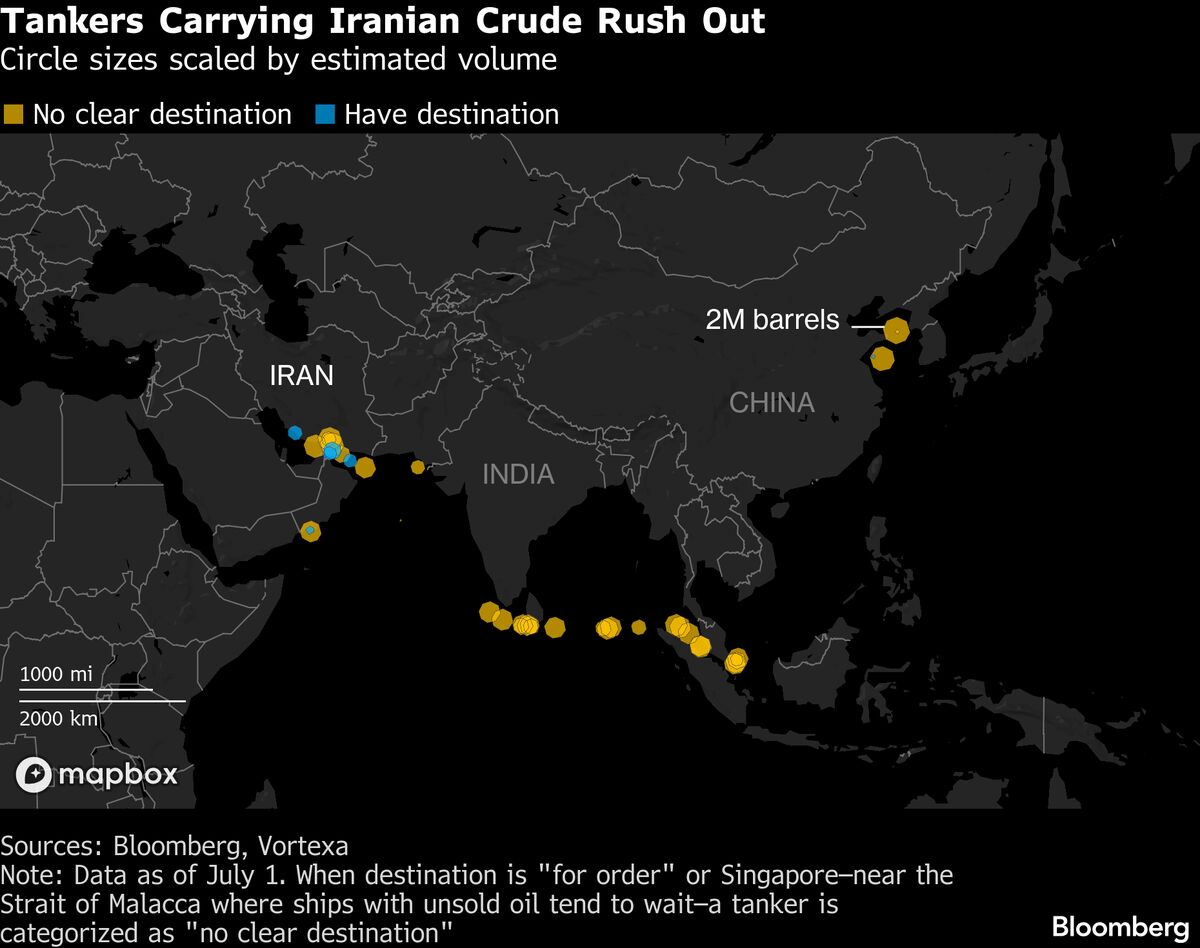
Iran's floating oil stockpile has grown substantially as the nation faces difficulties securing buyers within a 60-day grace period granted by the United States. This accumulation indicates a significant challenge for the Islamic Republic in exporting its crude oil, with major international buyers hesitant to engage due to the ongoing sanctions regime. The extended storage at sea suggests a prolonged period of reduced sales and potential logistical complexities for Iran's oil industry.
The situation highlights the persistent impact of US sanctions on Iran's economy, particularly its vital oil sector. While the specific volume of the swelling stockpile has not been publicly disclosed, the visual evidence of numerous tankers laden with oil suggests a considerable quantity. This buildup poses a risk of potential environmental hazards and storage costs, further straining Iran's financial resources. The inability to offload this oil before the expiration of the grace period could lead to further complications in future export negotiations and market access.
International buyers are reportedly wary of the legal and financial repercussions associated with purchasing Iranian oil, even within the limited window. This cautious approach is driven by the complex web of sanctions imposed by the US, which penalize entities engaging in transactions with Iran's energy sector. Consequently, the demand for Iranian crude has diminished, forcing the country to rely on floating storage as a temporary solution. The long-term implications of this strategy remain uncertain, but it underscores the significant hurdles Iran faces in maintaining its oil export levels.
Original source — read the full reporting at the publisher:
Read on Bloomberg Markets