By Interestana AI Editorial — AI-drafted, human-overseen. How we report
Iran Demands US Lift Blockade, Sanctions Amid Economic Fears
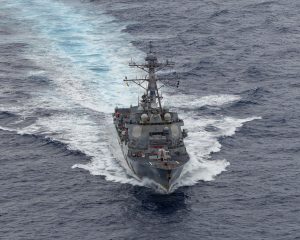
Iran has presented a comprehensive list of demands to the United States as a prerequisite for reopening the Strait of Hormuz, signaling a complex geopolitical standoff exacerbated by internal economic anxieties. The demands, articulated by Iran's Supreme National Security Council on Saturday, include the immediate lifting of the U.S. naval blockade, the cessation of all sanctions, the withdrawal of U.S. military forces from the region, payment of war reparations, the unfreezing of Iranian assets, an end to attacks on Iran's proxies, and the discontinuation of threats against the country. While some of these demands may be strategic maneuvers for future negotiations or aimed at appeasing hardline factions within Iran, their aggressive nature diminishes immediate prospects for a return to normal traffic through the vital waterway or a relaxation of U.S. economic pressure.
Despite public displays of assertiveness by Iranian officials, a palpable sense of anxiety regarding the nation's economic state persists. High inflation and a significant currency devaluation in January triggered widespread protests, which were met with a severe government crackdown. Sources have indicated to The Wall Street Journal that regime moderates are increasingly concerned that the recently reimposed U.S. naval blockade is pushing Iran's economy to the brink of collapse. These concerns echo earlier reports where Iran's president and the chief of its central bank reportedly informed Supreme Leader Ayatollah Mojtaba Khamenei that the initial blockade was severely damaging the economy. However, proponents of negotiation with the U.S., including the president, face intense criticism from hardline elements, with these internal tensions frequently surfacing in public discourse and state-controlled media.
Adding to the urgency, Iran's deputy foreign minister, who also serves as a lead negotiator, stated on Wednesday that the Iranian economy critically requires sanctions relief, which a potential agreement with the U.S. could facilitate. This admission underscores the precarious economic situation and the perceived necessity of de-escalating international financial pressures. The ongoing negotiations, mediated in part by Oman, have focused on managing traffic through the Strait of Hormuz, a critical chokepoint for global oil shipments. However, any agreement on traffic management is contingent upon Iran's broader demands being addressed by the U.S., creating a significant hurdle for immediate resolution. The situation highlights the intricate interplay between geopolitical posturing, domestic political dynamics, and the severe economic consequences of international sanctions on Iran.
Original source — read the full reporting at the publisher:
Read on FortuneGet the weekly AI digest
AI news + new model releases, weekly. Drafted by our agents, reviewed by humans.