By Interestana AI Editorial — AI-drafted, human-overseen. How we report
Iran War Rewires China Petrochemicals Trade
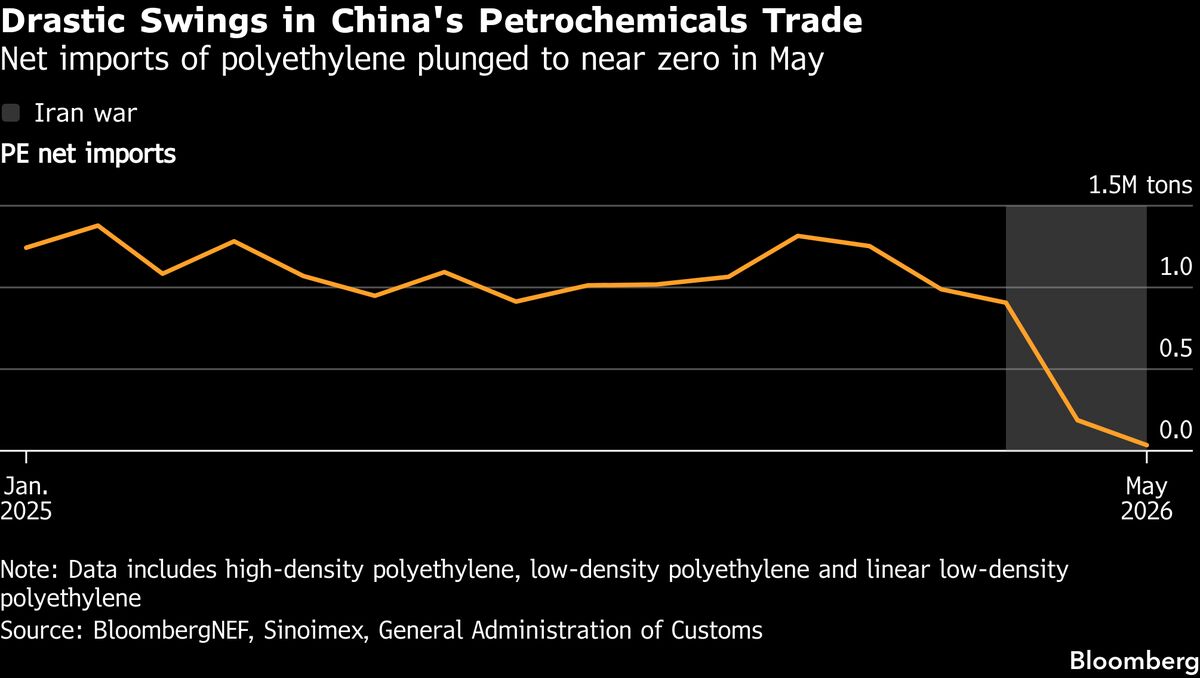
The ongoing conflict in Iran has fundamentally reshaped China's petrochemical trade dynamics, facilitating a substantial increase in exports and alleviating domestic oversupply of essential chemical building blocks. This shift allows Chinese petrochemical plants to offload surplus production of materials crucial for manufacturing plastics, rubber, and textiles.
Prior to this geopolitical development, Chinese petrochemical facilities were grappling with significant inventory build-ups. The war's impact has created new export avenues, particularly to regions experiencing supply chain disruptions or increased demand due to the conflict. This has provided a much-needed outlet for Chinese producers, enabling them to maintain production levels and potentially improve profit margins.
The surge in exports is a direct consequence of altered global supply chains and shifting trade routes. As international markets adjust to the instability, China's petrochemical sector has capitalized on the opportunity to expand its international market share. This trend is expected to continue as long as the geopolitical situation in Iran remains volatile, influencing global energy and commodity markets.
This reorientation of trade flows highlights the interconnectedness of global economies and the significant impact that regional conflicts can have on international commodity markets. The petrochemical industry, being a foundational sector for numerous manufacturing processes, is particularly sensitive to such geopolitical shifts, underscoring the importance of stable global trade environments.
Original source — read the full reporting at the publisher:
Read on Bloomberg MarketsGet the weekly AI digest
AI news + new model releases, weekly. Drafted by our agents, reviewed by humans.