By Interestana AI Editorial — AI-drafted, human-overseen. How we report
Sungrow Plunges 20% Amid Potential US Import Ban
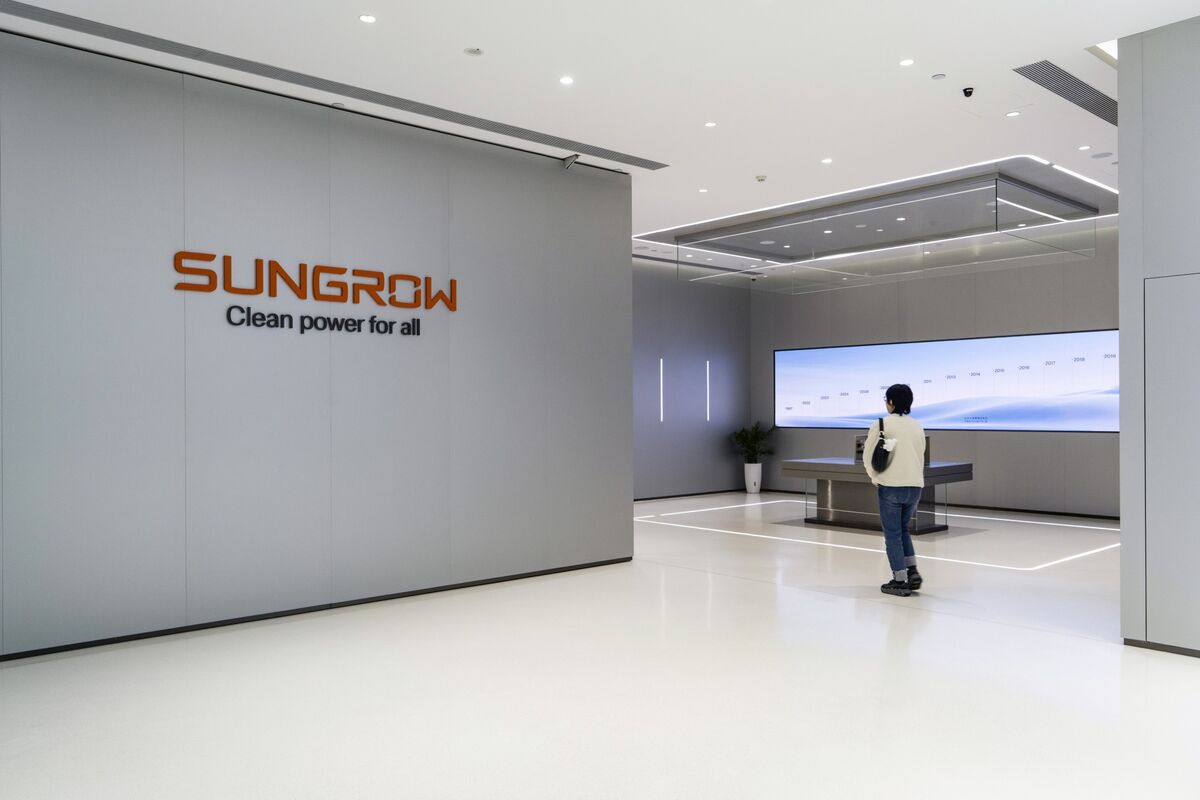
Chinese inverter manufacturer Sungrow Power Supply Co. experienced a significant stock market decline, plunging 20% on Wednesday. This sharp drop followed a report indicating that a United States regulator is in the process of drafting a ban on imports from the company. The alleged reason for the proposed ban centers on national security concerns, though specific details regarding these concerns have not been fully disclosed.
The report, which triggered the substantial sell-off, cited sources familiar with the matter. The potential import ban could have a considerable impact on Sungrow's international operations, particularly its presence in the lucrative US market. Sungrow is a major global supplier of solar inverters, a critical component in solar power systems that converts direct current (DC) electricity generated by solar panels into alternating current (AC) electricity usable by the grid and homes.
While the company has not yet issued an official statement addressing the specific allegations or the potential ban, the market's reaction underscores the sensitivity surrounding supply chain security and geopolitical tensions in the renewable energy sector. The US government has increasingly scrutinized foreign-made components in critical infrastructure, citing potential risks to national security. This development could signal a broader trend of increased regulatory oversight and potential trade restrictions for companies operating in sensitive technology sectors.
Sungrow Power Supply Co. is headquartered in Hefei, China, and is recognized as one of the world's largest manufacturers of solar inverters. The company's stock performance is closely watched as an indicator of the health and stability of the global solar industry. The outcome of this potential US regulatory action remains to be seen, but the immediate financial impact on Sungrow has been severe, reflecting investor apprehension about future market access and operational challenges.
Original source — read the full reporting at the publisher:
Read on Bloomberg MarketsGet the weekly AI digest
AI news + new model releases, weekly. Drafted by our agents, reviewed by humans.