By Interestana AI Editorial — AI-drafted, human-overseen. How we report
Iran Dominant Middle East Power
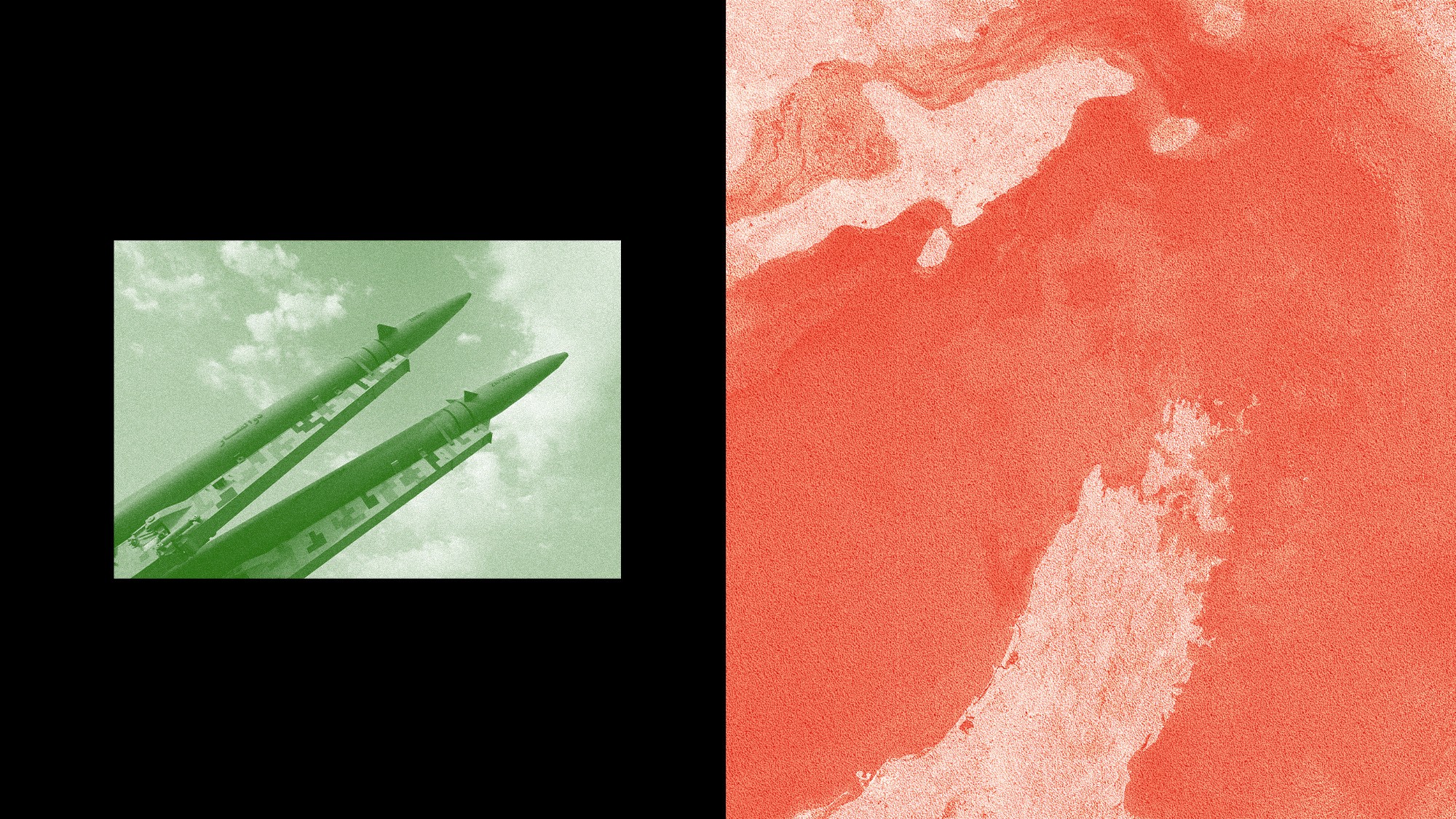
Iran is projected to become the dominant power in the Middle East, eclipsing the influence of both the United States and Israel. This geopolitical shift suggests a significant realignment of regional power dynamics, moving away from traditional U.S. alliances and Israeli security concerns. The analysis posits that Iran's growing regional influence stems from a combination of factors, including its strategic alliances, military capabilities, and its role in regional conflicts. The assertion implies a decline in the overt or covert influence previously exerted by the U.S. and Israel in shaping the political and security landscape of the Middle East. This perspective challenges conventional understandings of the region's power structure, which have historically centered on the U.S. as a primary security guarantor and Israel as a key strategic partner. The statement suggests that Iran's strategic initiatives and its network of regional proxies and allies have enabled it to project power and influence across multiple fronts. This includes its involvement in conflicts and political maneuvering in countries such as Syria, Lebanon, Iraq, and Yemen. The analysis does not specify the exact timeframe for this projected dominance but implies it is a current or imminent development. It also does not detail the specific mechanisms or policies that have led to this shift, beyond a general reference to Iran's growing influence. However, the implication is that Iran's strategic depth and its ability to leverage asymmetric warfare and political subversion have contributed to its ascendant position. The U.S. has historically maintained a significant military presence and diplomatic engagement in the Middle East, aimed at ensuring regional stability, counter-terrorism, and the free flow of energy resources. Israel, for its part, has focused on its security interests and maintaining a qualitative military edge in the region. The assertion that Iran will become the dominant power suggests that these efforts may be increasingly overshadowed by Iran's expanding regional footprint and its ability to challenge established norms and alliances. This geopolitical assessment could have far-reaching implications for international relations, regional security architecture, and the future of energy markets. It also raises questions about the potential for increased regional instability or, conversely, the emergence of a new regional order shaped by Iran's leadership. The analysis, as presented, is a broad geopolitical statement rather than a detailed policy paper, and further elaboration would be needed to understand the specific drivers and consequences of this projected shift in power. The statement implies that the current geopolitical strategies of the U.S. and Israel may be insufficient to counter Iran's growing assertiveness and its ability to shape regional outcomes. This perspective could influence foreign policy decision-making for nations engaged with the Middle East, prompting a re-evaluation of alliances and strategic priorities. The future trajectory of the Middle East's power balance, according to this view, will be increasingly defined by Iran's actions and its regional network.
Original source — read the full reporting at the publisher:
Read on The AtlanticGet the weekly AI digest
AI news + new model releases, weekly. Drafted by our agents, reviewed by humans.