By Interestana AI Editorial — AI-drafted, human-overseen. How we report
Iran Strikes Tankers Under US Escort in Hormuz Strait
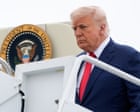
Iran's Islamic Revolutionary Guard Corps announced on Friday that it had struck two oil tankers attempting to navigate the Strait of Hormuz under the escort of the United States military. The military body stated that these "non-compliant oil tankers" were "struck and brought to a halt." According to the statement, four additional oil tankers altered their course and retreated to their prior locations upon the incident. The IRGC claimed the vessels had attempted to traverse the strait via an "undeclared route" and were under US aerial surveillance at the time of the strikes. This event occurred as former President Donald Trump convened his cabinet to deliberate on the ongoing conflict and escalating energy prices, with midterm elections in the United States approaching. The conflict between the US and Iran has intensified over the past two weeks, contributing to a surge in energy prices and a widening of hostilities across the Middle East. The Strait of Hormuz is a critical chokepoint for global oil shipments, with approximately 20% of the world's petroleum liquids passing through it annually. Disruptions in this waterway can have significant repercussions on international energy markets and geopolitical stability. The IRGC's actions represent a direct challenge to US naval presence and freedom of navigation in a strategically vital region. The involvement of US military escorts suggests an attempt to safeguard commercial shipping interests amidst rising tensions. The specific details regarding the type of tankers, their cargo, and the extent of damage were not immediately disclosed by Iran. The incident underscores the volatile security situation in the Persian Gulf and the potential for escalation between the two nations. The decision by former President Trump to convene his cabinet highlights the seriousness with which the administration is treating the situation and its potential impact on domestic politics and the global economy. The mention of midterm elections suggests a political dimension to the crisis, as the administration seeks to project strength and stability in the face of international challenges. The broader context of the conflict spreading across the Middle East indicates a complex web of interconnected events, potentially involving proxy actors and regional rivalries. The economic implications of soaring energy prices, driven by geopolitical instability, are a significant concern for governments worldwide, impacting inflation, consumer spending, and industrial production. The IRGC's assertion of striking "non-compliant" tankers and using an "undeclared route" may suggest an attempt to frame the incident as a response to perceived violations of maritime regulations or security protocols, though the US military's role as escort implies a different interpretation of the events. The situation remains fluid, with potential for further developments and diplomatic or military responses from involved parties and international actors.
Original source — read the full reporting at the publisher:
Read on The Guardian WorldGet the weekly AI digest
AI news + new model releases, weekly. Drafted by our agents, reviewed by humans.