By Interestana AI Editorial — AI-drafted, human-overseen. How we report
Iran Claims Strait of Hormuz Deal; Shipowners Outraged
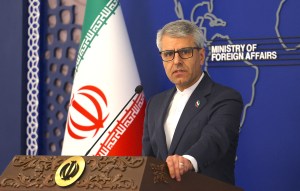
Iran announced on an unspecified date that it has reached an agreement with Oman to reopen the Strait of Hormuz, a critical global shipping lane. This development, detailed in a report by Fortune, has reportedly sparked outrage among shipowners who are dismayed by a proposed fee structure associated with the reopening. The specific terms of the deal and the exact nature of the fees have not been fully disclosed, but the announcement suggests a significant shift in the geopolitical and economic landscape of the region.
The Strait of Hormuz, a narrow waterway connecting the Persian Gulf to the open ocean, is a vital chokepoint for global oil and gas shipments. Approximately 20% of the world's total oil consumption passes through this strait daily, making any disruption or change in its accessibility a matter of international concern. Iran's assertion of a deal implies a potential resolution to recent tensions that have threatened maritime traffic in the area. However, the proposed fees introduce a new layer of complexity and potential financial burden for shipping companies.
Shipowners' reactions, as described in the report, indicate strong opposition to the new charges. While the exact amount or basis for these fees remains unclear, the immediate backlash suggests that they are perceived as excessive, unfair, or detrimental to the profitability of maritime trade. This opposition could lead to further negotiations, diplomatic pressure, or even a refusal by some shipping entities to comply, potentially reigniting instability in the strait. The implications for global energy markets and supply chains are substantial, as increased shipping costs could translate into higher fuel prices for consumers worldwide.
This announcement comes amidst a broader context of rising geopolitical tensions and economic shifts. For instance, the report also notes a surge in AI capital expenditures, a trend outpacing analyst tracking, and an increase in hybrid electric vehicle sales, partly attributed to the Iran war. Additionally, it highlights Gen Z's spending habits, noting they spend more than they save, and a general observation that AI has introduced new avenues for errors. These diverse economic and technological trends underscore a dynamic global environment where geopolitical events, like the potential reopening of the Strait of Hormuz under new terms, have far-reaching consequences.
Original source — read the full reporting at the publisher:
Read on FortuneGet the weekly AI digest
AI news + new model releases, weekly. Drafted by our agents, reviewed by humans.