By Interestana AI Editorial — AI-drafted, human-overseen. How we report
Iran Demands US Actions for Strait of Hormuz Reopening
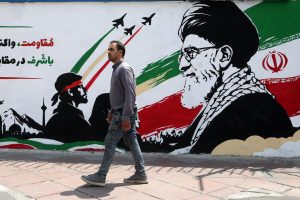
Iran's Supreme National Security Council stated that the Strait of Hormuz will remain closed until the United States "corrects its behavior," issuing a comprehensive list of demands that could significantly impact negotiations for managing the vital waterway. The council's secretary, Mohammad Bagher Zolghadr, who also holds a command position within the Revolutionary Guard, detailed these requirements in a statement published by Iran's state broadcaster. Central to Iran's demands is the cessation of any future threats against the nation by the U.S. Furthermore, Iran insists on a permanent end to the ongoing conflict with the United States and its regional allies. The demands also include the immediate lifting of the naval blockade imposed on Iranian ports and the complete withdrawal of U.S. military forces from the region. A significant component of Iran's ultimatum is the demand for "complete compensation" for damages incurred during the war, alongside the lifting of all economic sanctions and the "unconditional" release of frozen Iranian assets. The U.S. has not yet issued a direct comment on these demands. Previously, the U.S. had indicated a willingness to consider ending the blockade only after an acceptable agreement concerning the Strait of Hormuz was reached. Under an interim agreement signed in June, provisions for a schedule to end sanctions and a plan for compensation were designated as integral parts of the final deal, with further negotiations planned to address the issue of frozen assets. The current negotiation period, set for 60 days, is nearing its conclusion in just over a week, though an extension remains a possibility. Iran has also indicated progress in separate discussions with Oman, aiming to establish a framework for managing the Strait of Hormuz, which lies between the two nations. Earlier on Saturday, Iranian Foreign Minister Abbas Araghchi expressed optimism about reaching an agreement on navigation, specifically concerning the establishment of a designated transit route. However, the ultimate reopening of this critical maritime passage is explicitly contingent upon the fulfillment of Iran's extensive demands directed at the United States. The situation remains tense, with regional developments including a missile attack on a UAE ship attributed to Iran and actions by Houthi rebels in Yemen, underscoring the volatile geopolitical landscape of the Middle East.
Original source — read the full reporting at the publisher:
Read on FortuneGet the weekly AI digest
AI news + new model releases, weekly. Drafted by our agents, reviewed by humans.