By Interestana AI Editorial — AI-drafted, human-overseen. How we report
Iran's Midterm Gambit: Entangling Trump in Conflict to Inflict Political Damage
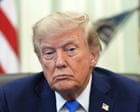
Iran has strategically adopted a protracted negotiating timetable with the explicit aim of keeping Donald Trump embroiled in the ongoing conflict until the United States midterm elections. This calculated approach is designed to inflict significant political damage on the US president's administration, drawing a historical parallel to the devastating impact of the 1979-81 US embassy hostage crisis on Jimmy Carter's presidency. By prolonging the diplomatic engagement, Tehran hopes to mirror the way the protracted hostage situation eroded Carter's public support and ultimately contributed to his electoral defeat.
The Iranian leadership's objective is to leverage this prolonged entanglement in the conflict to weaken Trump's political standing domestically. The intention is to create a narrative of an embattled president bogged down in a foreign quagmire, potentially influencing voter sentiment and electoral outcomes in the crucial midterm elections. This strategy underscores a sophisticated understanding of geopolitical leverage and the domestic political calendar of its adversaries. By linking the pace of negotiations to the US electoral cycle, Tehran seeks to maximize its strategic advantage.
Within Iran, there is a discernible sentiment that inflicting meaningful retribution on Trump is not merely a diplomatic tactic but a legitimate and independent war aim. This perspective was notably evident at the funeral of the late supreme leader Ali Khamenei, where widespread calls for retaliation were a prominent feature of the proceedings. The desire for revenge appears to be a significant motivating factor for some within Iran, contributing to the strategic decision to prolong negotiations and maintain Trump's entanglement in the conflict. This suggests a deeper, perhaps emotional, driver behind the policy.
However, this protracted negotiation approach carries substantial risks. Some observers fear that a "bruised and weakened" Trump, if politically damaged by the prolonged conflict, could paradoxically prolong the war rather than seek a genuine resolution. A president facing domestic pressure might resort to more aggressive military actions to project strength or avoid appearing to capitulate. The strategy hinges on the assumption that sustained involvement in a foreign conflict will negatively impact the incumbent president's popularity and electoral prospects. Yet, the unpredictable nature of international relations and domestic politics means that such a strategy could backfire, leading to unintended and potentially more dangerous consequences. The success of this strategy will ultimately depend on a complex interplay of factors, including the evolving political landscape in the United States, the international community's response, and the internal dynamics within Iran itself.
Original source — read the full reporting at the publisher:
Read on The Guardian WorldGet the weekly AI digest
AI news + new model releases, weekly. Drafted by our agents, reviewed by humans.