By Interestana AI Editorial — AI-drafted, human-overseen. How we report
Invertebrate of the Year 2026 Voting Opens
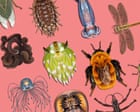
The public has been invited to cast their votes for the 2026 Invertebrate of the Year, an initiative aimed at drawing attention to the vast and often overlooked world of spineless creatures. This marks the third consecutive year for the campaign, which profiles a selection of remarkable, fascinating, and underappreciated species. Invertebrates, a group encompassing over 1.3 million identified species, include a diverse array of life forms such as jellyfish, bumblebees, parasites, spiders, and worms. These organisms play indispensable roles at the foundational level of all global ecosystems, performing critical functions that sustain life. Despite their ecological significance, invertebrates frequently receive less public recognition compared to vertebrates like pandas, lions, and whales, which tend to capture broader attention. The campaign seeks to rectify this imbalance by showcasing the importance and wonder of these creatures. Participants are encouraged to vote for their preferred invertebrate from the presented contenders. The initiative emphasizes that even a brief moment of observation, looking down, up, under stones, or into ponds, can reveal marvelous creatures that may be only a few millimeters in size but are vital to the planet's health. The selection process for the Invertebrate of the Year involves highlighting species that demonstrate extraordinary adaptations, ecological importance, or unique characteristics. By focusing on these often-unseen inhabitants, the campaign aims to foster greater appreciation and understanding of biodiversity. The broader category of invertebrates represents a significant portion of Earth's animal life, and their collective impact on environmental processes, from pollination and decomposition to nutrient cycling and serving as food sources for other animals, is immense. The initiative underscores that the health of ecosystems is intrinsically linked to the well-being of these foundational species. The voting process is designed to be accessible, allowing individuals to engage with the nominated species and make an informed choice. The campaign's continuation for a third year suggests a growing recognition of the need to champion these essential but frequently ignored organisms. The organizers hope that by highlighting specific examples, they can inspire a wider public interest in invertebrate conservation and research, ultimately contributing to more comprehensive efforts to protect biodiversity. The ultimate goal is to ensure that these critical components of our natural world receive the attention and protection they deserve, moving beyond the common focus on more charismatic megafauna.
Original source — read the full reporting at the publisher:
Read on The Guardian EnvironmentGet the weekly AI digest
AI news + new model releases, weekly. Drafted by our agents, reviewed by humans.