By Interestana AI Editorial — AI-drafted, human-overseen. How we report
Intel Razor Lake CPUs May Feature Significant Cache Upgrade
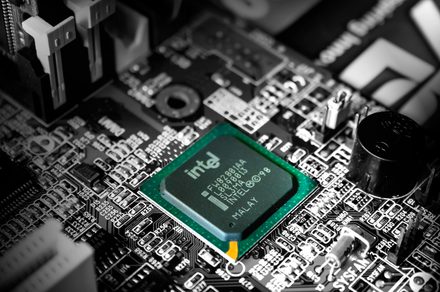
Intel's next generation of mobile central processing units (CPUs), codenamed "Razor Lake," are anticipated to feature a substantial upgrade in their last-level cache (LLC). This enhancement aims to significantly increase the size of the cache pools available to the CPU, a component that stores frequently accessed data to reduce latency and improve processing speed. A larger LLC can lead to notable performance gains, particularly in demanding applications and multitasking scenarios common on modern laptops.
The specific details regarding the cache architecture for Razor Lake remain under wraps, but industry speculation points towards a "bLLC" implementation, which could signify a bonded or significantly expanded last-level cache. This move would represent a strategic effort by Intel to bolster the performance of its mobile processors, potentially addressing competitive pressures in the laptop CPU market. Enhanced cache performance is a critical factor in overall system responsiveness and efficiency, impacting everything from application load times to the smoothness of graphical rendering.
In parallel with the CPU architecture rumors, an early manufacturing claim associated with Razor Lake has reportedly undergone a shift. Initial reports suggested that the chips would be manufactured using TSMC's N2X process technology. However, recent indications, as reported by industry sources, point to a change in manufacturing node, with TSMC's less clearly defined N2P V2 process now being considered. The distinction between N2X and N2P V2 is significant, as different manufacturing processes can impact chip performance, power efficiency, and cost. TSMC's N2 process is generally understood to be their most advanced node, and any deviation to N2P V2 could imply adjustments in manufacturing strategy or yield considerations.
The potential integration of a larger LLC in Razor Lake CPUs is a key development for Intel's laptop offerings. This upgrade could provide a competitive edge against rival architectures, particularly those that have already demonstrated strong performance through advanced cache designs. The precise impact on real-world performance will depend on the final implementation and how effectively software can leverage the increased cache capacity. Furthermore, the manufacturing process choice, moving from a presumed leading-edge N2X to N2P V2, will be closely watched by industry analysts and consumers alike, as it can influence the overall competitiveness and availability of the new processors. Intel has not officially confirmed these details, but the persistent rumors suggest a significant architectural and manufacturing evolution for their future mobile silicon.
Original source — read the full reporting at the publisher:
Read on Digital TrendsGet the weekly AI digest
AI news + new model releases, weekly. Drafted by our agents, reviewed by humans.