By Interestana AI Editorial — AI-drafted, human-overseen. How we report
Inside the painstaking, yearslong process of making perfect grass for the World Cup
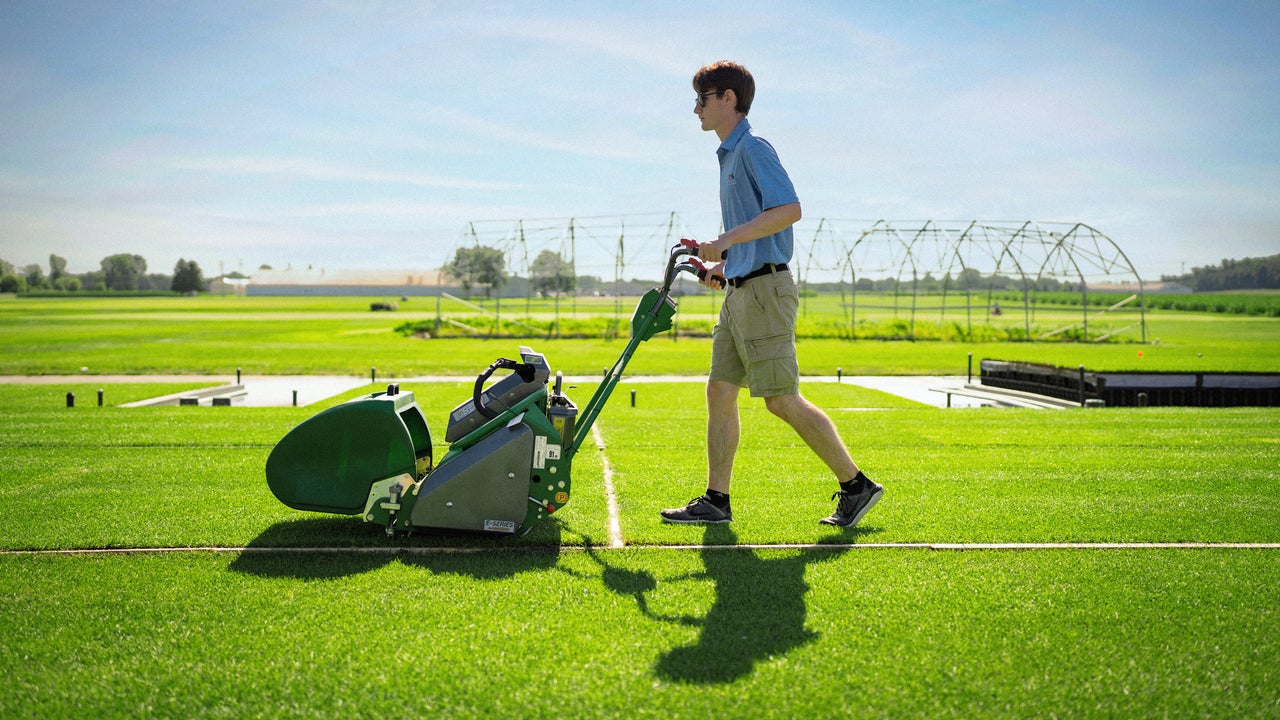
Researchers began developing the ideal turf grass for the 2026 FIFA World Cup nearly three years before the tournament's kickoff. FIFA commissioned two research teams from Michigan State University (MSU) and the University of Tennessee (UT) to create a uniform playing surface for the event, which will be held across 16 cities in three countries and 10 distinct climate zones. The goal was to ensure consistency despite the varied environmental conditions, ranging from Toronto to Mexico City. The research involved a meticulous process of mixing and testing different grass seed combinations over approximately three years. The teams aimed to cultivate a dense, resilient sod capable of withstanding high-level soccer play. The tournament schedule includes up to nine matches over 39 days, demanding exceptional durability from the pitches. The project was spearheaded by John "Trey" Rogers III, an MSU professor, and his former doctoral student John Sorochan, now a distinguished professor at UT. The final grass blend developed by the researchers consists of 84% Kentucky bluegrass seed and 16% perennial ryegrass seed, designed to perform optimally across all host locations.
Original source — read the full reporting at the publisher:
Read on Fast CompanyGet the weekly AI digest
AI news + new model releases, weekly. Drafted by our agents, reviewed by humans.