By Interestana AI Editorial — AI-drafted, human-overseen. How we report
Niger Plant Breeder Tackles Climate-Driven Pests Threatening Staple Crops
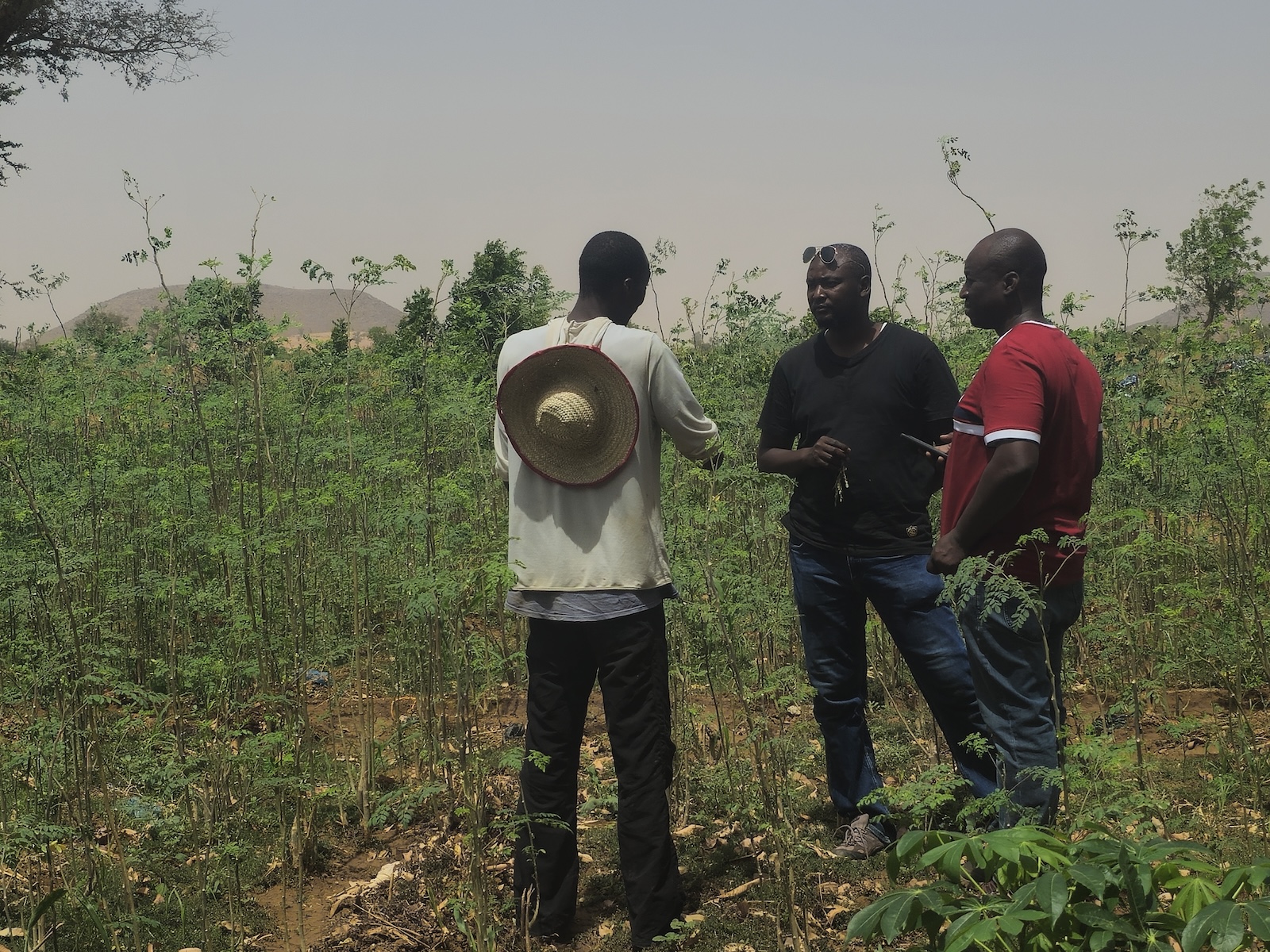
Bassirou Sani Boubacar Gaoh, a plant breeder based in Niamey, Niger, has dedicated the past decade to developing resilient agricultural practices in the face of a warming planet. His work is particularly focused on the Sahel region, an area experiencing temperature increases significantly faster than the global average. This accelerated warming has led to a volatile climate characterized by alternating extreme heat waves, severe droughts, and intense rainfall events, which in turn create fertile ground for agricultural pests. Among the most notorious threats is the millet head miner, a destructive moth whose larvae feed voraciously on the flowering heads of pearl millet, a critical staple crop. Drought conditions, arid sandy soils, and certain farming practices, such as premature sowing, can exacerbate these infestations, leading to substantial crop losses. Boubacar Gaoh, whose own grandparents were millet farmers, understands the profound impact of these losses. He emphasizes that in a bad year, pests can decimate a significant portion of a family's harvest, directly impacting their food security and income. Domestic agriculture forms the economic bedrock of Niger and is the primary source of sustenance for most families. The nation grapples with significant food insecurity, with an estimated 2.4 million people facing acute food insecurity and 1.6 million children suffering from acute malnutrition. In November 2024, Boubacar Gaoh launched a program aimed at empowering local farmers with the knowledge and tools necessary for effective crop disease surveillance and integrated pest management. This initiative, undertaken in partnership with an unnamed agricultural research organization, seeks to equip growers with the means to identify and mitigate pest outbreaks before they lead to widespread crop failure. His research encompasses developing climate-resilient crop varieties and implementing tailored pest control strategies that are suited to the unique environmental challenges of the Sahel. These efforts are crucial for safeguarding not only the livelihoods of individual farmers but also the broader food supply chain in a country heavily reliant on agriculture. The increasing unpredictability of weather patterns due to climate change underscores the vital importance of these interventions in ensuring consistent crop yields and preventing widespread hunger. The long-term objective of Boubacar Gaoh's program is to foster a more robust and resilient agricultural sector in Niger, capable of withstanding environmental shocks and supporting its growing population.
Original source — read the full reporting at the publisher:
Read on GristGet the weekly AI digest
AI news + new model releases, weekly. Drafted by our agents, reviewed by humans.