By Interestana AI Editorial — AI-drafted, human-overseen. How we report
Panasonic Opens $2 Billion Battery Factory for EVs
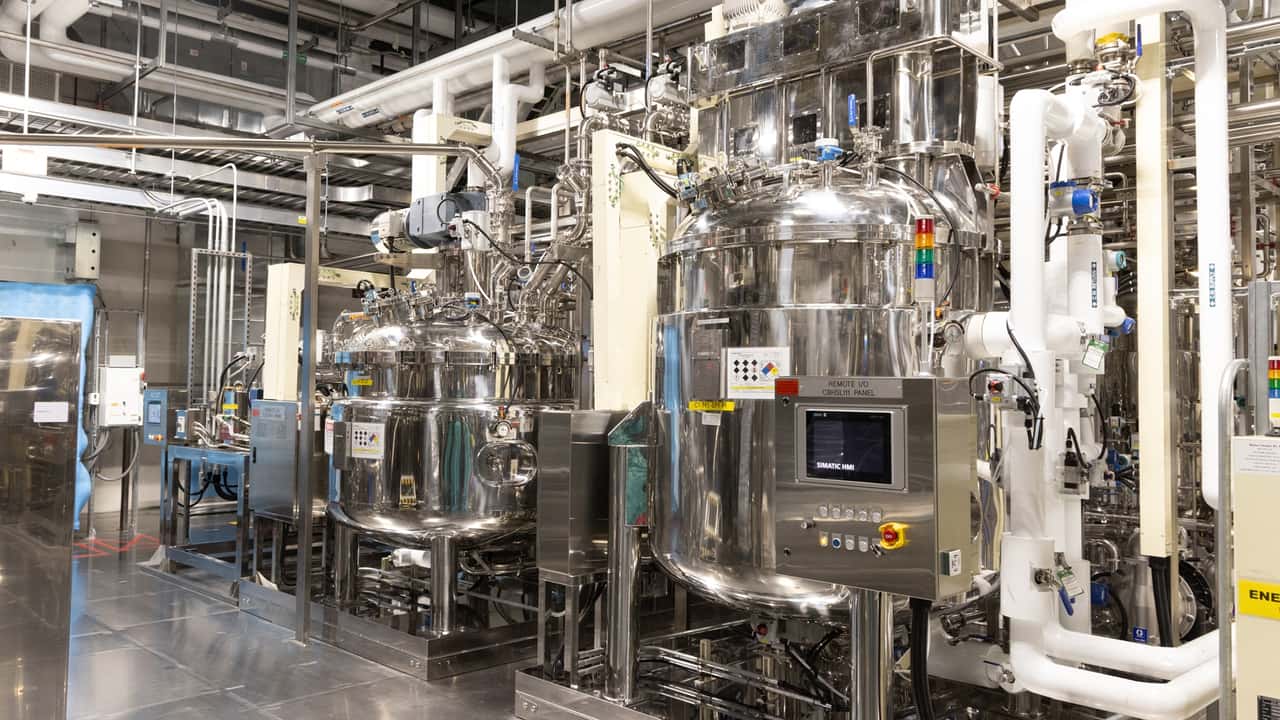
Panasonic Corporation officially opened its new $2 billion battery factory in Wakayama, Japan, on March 12, 2024, marking a significant step in the company's strategy to advance electric vehicle (EV) battery technology. The facility is designed to produce next-generation batteries, including solid-state and sodium-ion chemistries, aiming to supply major automotive manufacturers such as Tesla and Toyota. This investment underscores Panasonic's commitment to maintaining its position as a leading global battery supplier amidst increasing competition and the accelerating transition to electric mobility.
The Wakayama factory is a cornerstone of Panasonic's efforts to develop and commercialize solid-state batteries, a technology widely anticipated to offer higher energy density, faster charging times, and improved safety compared to current lithium-ion batteries. While solid-state batteries are still in development and face manufacturing challenges, Panasonic's dedicated facility signals a serious push towards their mass production. The factory will also explore the production of sodium-ion batteries, which utilize more abundant and less expensive materials than lithium, offering a potentially more sustainable and cost-effective alternative for certain EV applications.
Executives at the factory tour highlighted the strategic importance of these advanced battery technologies in meeting the evolving demands of the automotive industry. By investing in diverse battery chemistries, Panasonic aims to provide a comprehensive portfolio of solutions tailored to different vehicle segments and consumer needs. The company's long-standing relationship with key partners like Tesla, a pioneer in EV adoption, and Toyota, a global automotive giant, positions the Wakayama factory to play a crucial role in their future EV production plans. The facility's advanced manufacturing capabilities are expected to enable higher production yields and improved quality control for these cutting-edge battery cells.
Panasonic's expansion into next-generation battery production at the Wakayama plant is part of a broader industry trend towards innovation in energy storage. The global demand for EVs continues to surge, driving significant investment in battery manufacturing capacity and research and development. Companies worldwide are racing to secure supply chains, reduce production costs, and enhance battery performance. Panasonic's move with the $2 billion factory demonstrates its proactive approach to staying at the forefront of this technological race, aiming to secure future market share by offering batteries that are safer, more powerful, and more sustainable.
Original source — read the full reporting at the publisher:
Read on InsideEVsGet the weekly AI digest
AI news + new model releases, weekly. Drafted by our agents, reviewed by humans.