By Interestana AI Editorial — AI-drafted, human-overseen. How we report
On's Robots Build Running Shoes in 3 Minutes
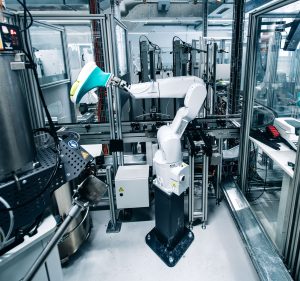
On's Zurich headquarters houses a laboratory where robotic arms are constructing running shoe uppers using a new technology called LightSpray. This process involves a robotic arm rotating a foot mold while a nozzle precisely sprays molten plastic, building the shoe's upper layer by layer. The entire manufacturing step for the upper takes approximately three minutes to complete.
Traditionally, running shoes are assembled through labor-intensive methods that can involve cutting, stitching, gluing, and sewing up to 200 individual components. On states that its LightSpray technology streamlines this process, reducing the number of parts in a shoe to seven. The company estimates that this automation eliminates between 200 and 300 hours of human work throughout the traditional development and production cycle.
While many manufacturers integrate automation into existing production lines, On has adopted a different strategy by designing its manufacturing process around robotics from its inception. Co-founder and co-CEO Caspar Coppetti explained to Fortune that the company is not attempting to replicate existing shoe styles with robots but rather has developed a technology that is exclusively achievable through robotic means. This engineering-first approach has been a defining characteristic of On since its founding.
The company's commitment to innovation is reflected in its patent filings, with On submitting approximately 200 patents last year covering footwear, apparel, and manufacturing technologies. This culture of experimentation traces back to the company's origins, as described by co-founder and co-CEO David Allemann. The initial prototype, developed by former professional triathlete Olivier Bernhard, who sought to improve running shoes by combining cushioning and speed, resembled a "garage experiment" rather than the foundation of a rapidly growing sportswear company. Bernhard's early work involved attaching pieces of garden hose to existing shoes to create a novel cushioning system.
Original source — read the full reporting at the publisher:
Read on FortuneGet the weekly AI digest
AI news + new model releases, weekly. Drafted by our agents, reviewed by humans.