By Interestana AI Editorial — AI-drafted, human-overseen. How we report
Japan Leads Climate Adaptation Amid Extreme Heat and Floods
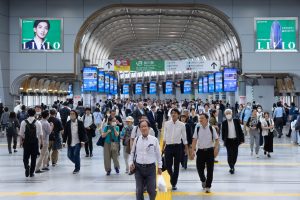
Japan is positioning itself as a leading global laboratory for climate adaptation, implementing advanced strategies to address escalating environmental challenges such as extreme heat and torrential rainfall. The nation's proactive approach is becoming increasingly relevant as global temperatures rise and extreme weather events become more frequent. During a recent visit, Tokyo experienced temperatures of 102.4 degrees Fahrenheit (39.1°C), a heat level that approaches the newly established "kokushobi" or "cruelly hot day" designation, introduced in April to alert the public to temperatures exceeding 40 degrees Celsius. This summer also brought historic rainfall to Chiba Prefecture, causing widespread disruption, power outages, and resulting in at least 8 fatalities. These events underscore Japan's vulnerability to climate impacts, despite its long-standing experience in managing natural disasters like earthquakes, tsunamis, typhoons, and floods.
In contrast to many other regions, Japan demonstrates a high level of preparedness for heatwaves, with nearly every household equipped with air conditioning. A recent Swiss Re report highlights that a significantly lower proportion of European households have access to air conditioning, leaving much of the continent less prepared for the immediate shock of current heatwaves. This disparity emphasizes the importance of infrastructure and societal adaptation measures that Japan has prioritized. The nation is also grappling with the challenge of adapting its long-standing office culture, which traditionally mandates formal attire such as suits for men and stockings and skirts for women, even amidst record-breaking heat. Despite government campaigns encouraging more casual office wear like polo shirts and shorts to mitigate heatstroke risks, adherence to traditional dress codes remains prevalent among many workers.
Recognizing the severity of heat-related risks, the Japanese government enhanced workplace heatstroke-prevention regulations last year. These strengthened rules mandate that employers establish comprehensive reporting systems, implement effective cooling measures, and develop robust medical-response procedures for employees. In response to these regulations and the prevailing heat conditions, companies are actively adjusting their operational practices. For instance, the construction contractor Obayashi Corp. has shifted the working hours at heat-exposed construction sites to between 7 a.m. and 1 p.m. during the summer months, a departure from their usual 8 a.m. start time. This adjustment aims to reduce worker exposure to the most intense daytime heat. These measures reflect a growing awareness and a concerted effort by both government and industry to build resilience against the impacts of a changing climate, making Japan a crucial case study for other nations facing similar environmental pressures.
Original source — read the full reporting at the publisher:
Read on FortuneGet the weekly AI digest
AI news + new model releases, weekly. Drafted by our agents, reviewed by humans.