By Interestana AI Editorial — AI-drafted, human-overseen. How we report
Grouse Shooting Season Faces Calls for Ban Amid Wildfire Concerns
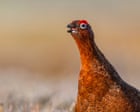
Calls are mounting to ban the traditional August 12th grouse shooting season in the UK, a practice historically celebrated by enthusiasts and London restaurants. This year, the "Inglorious Twelfth" is overshadowed by widespread wildfires raging across the nation's moorlands, exacerbated by record-breaking heat that has transformed the landscape into a highly flammable environment. Experts and conservationists argue that the countryside should not be treated as a "playground for bloodsports" when ecological preservation is paramount. The ongoing wildfires have devastated wildlife habitats and incinerated countless animals, raising serious concerns about the sustainability of current land management practices, particularly those associated with driven grouse shooting.
The practice of driven grouse shooting involves gamekeepers managing moorland habitat to maximize grouse populations for sport. This management often includes burning heather to encourage new growth, a process that can increase the risk of wildfires, especially during dry periods. Critics contend that these management techniques, combined with the dry conditions, create a dangerous fire hazard. The damage extends beyond immediate fire destruction; peatlands, which are vital carbon sinks and biodiversity hotspots, are particularly vulnerable. When peatlands burn, they release significant amounts of stored carbon into the atmosphere, contributing to climate change, and their recovery can take centuries, if it occurs at all. The ecological impact of these fires on the delicate moorland ecosystems is profound, affecting not only grouse but also a wide array of other species that rely on these habitats.
Restaurant industry representatives have noted a decline in the availability and size of wild birds this year, a trend that may be linked to the environmental pressures impacting grouse populations. This observation further fuels the debate about the long-term viability of sourcing game birds under current conditions. The call for a ban is not solely focused on the immediate wildfire threat but also on the broader environmental stewardship of the UK's moorlands. Conservation groups advocate for alternative land management strategies that prioritize ecological restoration, carbon sequestration, and biodiversity enhancement over practices that increase environmental risks. They propose that the land could be better utilized for rewilding projects or sustainable land use that benefits the wider ecosystem and contributes to climate change mitigation efforts. The traditional shooting season, while culturally significant for some, is increasingly being viewed as incompatible with the urgent need to address climate change and protect fragile natural environments.
The debate highlights a growing tension between traditional rural pursuits and modern environmental imperatives. As the UK grapples with the increasing frequency and intensity of extreme weather events, including heatwaves and wildfires, there is a growing public and scientific consensus that land use policies must adapt. The potential ban on grouse shooting is part of a larger conversation about how Britain's natural landscapes are managed and whether activities that carry significant environmental risks should continue. The ecological consequences of unchecked wildfires and the degradation of peatlands underscore the urgency of re-evaluating practices that may inadvertently contribute to these problems. The future of the "Inglorious Twelfth" now hangs in the balance, with environmental concerns taking center stage.
Original source — read the full reporting at the publisher:
Read on The Guardian WorldGet the weekly AI digest
AI news + new model releases, weekly. Drafted by our agents, reviewed by humans.