By Interestana AI Editorial — AI-drafted, human-overseen. How we report
Fed's Inflation Patience Wanes, September Rate Hike Looms Amidst Geopolitical Uncertainty
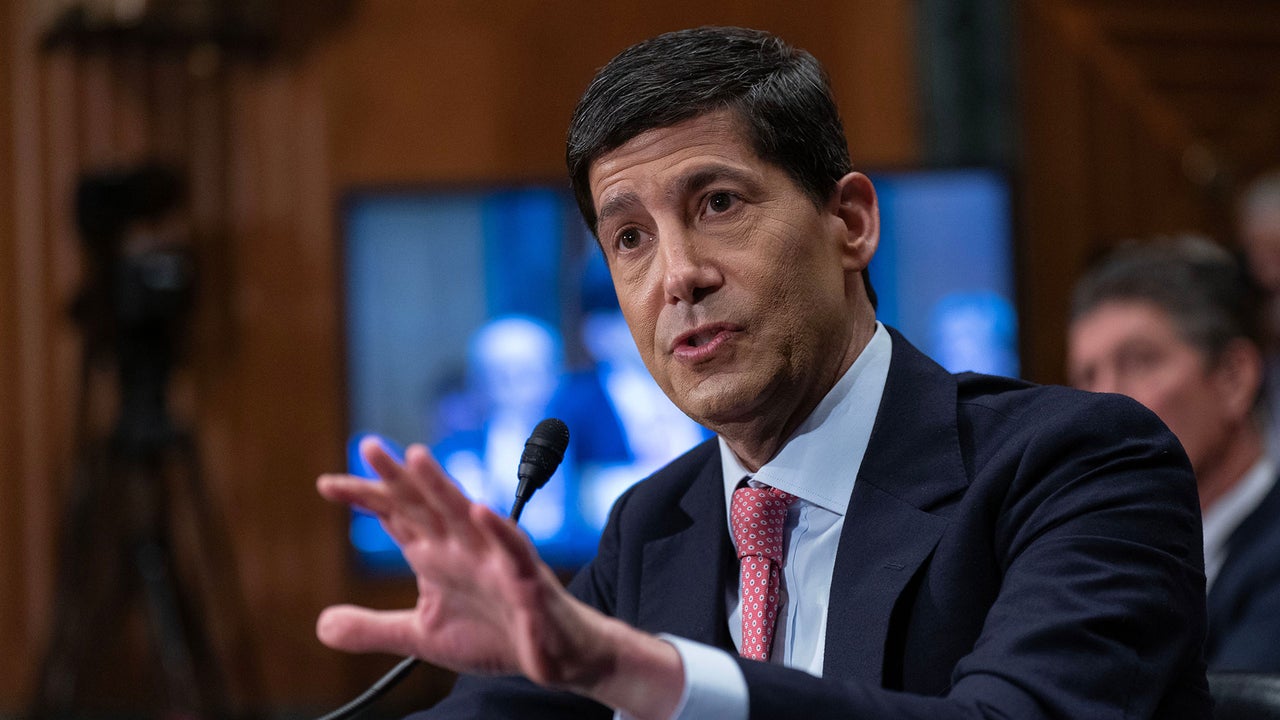
Federal Reserve policymakers are demonstrating a growing impatience with persistent inflation, a challenge that has endured for over five years, consistently exceeding the central bank's 2% target. Despite this mounting frustration, the Federal Open Market Committee (FOMC), the Fed's primary monetary policy-making body, is widely anticipated to keep its benchmark interest rate unchanged during its current meeting in Washington, D.C., held on Tuesday and Wednesday. This stance, however, is expected to evolve by their subsequent convocation scheduled for September 15-16, when a rate adjustment becomes a more probable scenario.
Kevin Warsh, the newly appointed Chair of the Federal Reserve, has unequivocally communicated his "no tolerance" policy towards elevated inflation. This week's meeting represents Warsh's second significant policy deliberation since assuming leadership of the central bank. Analysts Joseph Egelhof and Guneet Dhingra, operating from BNP Paribas Securities, a prominent global financial services group, have posited that while an unexpected "shock rate hike" this week remains a remote possibility, the FOMC is more inclined to postpone action. This cautious approach is largely attributed to a reluctance to introduce volatility into financial markets, which are not currently pricing in an imminent rate increase. The Federal Reserve, established in 1913, is the central banking system of the United States, tasked with managing monetary policy to promote maximum employment, stable prices, and moderate long-term interest rates.
Furthermore, policymakers are likely to defer a decision pending the release of additional economic indicators. On Thursday, the Commerce Department is slated to unveil its preliminary assessment of economic growth for the April-June quarter. Crucially, this report will also include the June figures for the personal consumption expenditures (PCE) price index, which serves as the Fed's preferred measure of inflation, offering a more comprehensive view than the Consumer Price Index (CPI).
Current market sentiment strongly reflects this expectation of a delayed action. According to the CME FedWatch tool, a widely referenced market indicator, only 29% of Wall Street traders predict a rate hike this week. In stark contrast, a substantial 76% of traders foresee an increase in the benchmark rate by the September meeting. This outlook represents a significant shift from just a month prior, when only 59% of traders anticipated a September rate hike.
Egelhof and Dhingra underscored the "significant risk" associated with a September rate hike, emphasizing that "policymakers' patience with high and persistent inflation is broadly exhausted." This sentiment suggests a strong underlying pressure within the FOMC to address the inflation issue more assertively.
Adding a layer of complexity and uncertainty to the Fed's decision-making process is the escalating geopolitical tension in Iran. Last week, global oil prices experienced a brief but dramatic surge, briefly surpassing $100 per barrel, driven by intensifying conflict in the region. While prices have since moderated on hopes of diplomatic de-escalation, early Wednesday morning reports indicated that Jordan had intercepted missiles launched from Iran, underscoring the volatile nature of the regional situation. Such geopolitical instability can directly impact energy prices, a significant component of inflation, thereby influencing the Federal Reserve's monetary policy considerations.
Original source — read the full reporting at the publisher:
Read on Fast CompanyGet the weekly AI digest
AI news + new model releases, weekly. Drafted by our agents, reviewed by humans.