By Interestana AI Editorial — AI-drafted, human-overseen. How we report
Indonesia Wildfires Threaten Rescued Orangutans
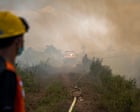
Record numbers of wildfires are currently breaking out across Indonesia, posing a significant new threat to orangutans that have already been rescued from the clutches of animal traffickers. These fires, fueled by a confluence of environmental factors including hot, dry, and windy conditions, have intensified due to a powerful El Niño and the ongoing human-driven climate crisis. The severity of the situation is underscored by the fact that flames have reportedly come within mere metres of an animal rehabilitation centre located in West Kalimantan. This proximity places the vulnerable orangutans housed at the centre in immediate danger, jeopardizing the progress made in their rehabilitation and potential reintroduction into the wild.
The current wildfire season in Indonesia has been described as record-breaking, indicating a scale of destruction that surpasses previous years. The amplification of these fires by El Niño, a natural climate pattern characterized by warmer-than-average sea surface temperatures in the tropical Pacific Ocean, exacerbates drought conditions and increases the likelihood of ignition and rapid spread of fires. Simultaneously, the broader context of the human-driven climate crisis contributes to rising global temperatures and altered weather patterns, making such extreme events more frequent and intense. This dual impact of natural climate variability and anthropogenic climate change creates a particularly perilous environment for wildlife and conservation efforts.
Orangutans, a critically endangered species, are particularly susceptible to the impacts of habitat loss and degradation. Wildfires destroy their forest homes, eliminating food sources and shelter. For orangutans that have been rescued from illegal wildlife trade, often after enduring trauma and mistreatment, the threat of wildfires represents a devastating setback. Rehabilitation centres play a crucial role in providing these animals with the care, medical attention, and time needed to recover before they can be released back into protected forest areas. The proximity of the fires to the West Kalimantan rehabilitation centre highlights the urgent need for enhanced fire prevention and suppression measures, as well as robust conservation strategies to protect both the remaining wild orangutan populations and those undergoing rehabilitation.
Original source — read the full reporting at the publisher:
Read on The Guardian WorldGet the weekly AI digest
AI news + new model releases, weekly. Drafted by our agents, reviewed by humans.