By Interestana AI Editorial — AI-drafted, human-overseen. How we report
El Niño Threatens India's Monsoon With Hotter, Drier Global Conditions
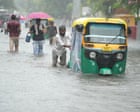
India's crucial monsoon season faces significant risk due to a predicted strengthening of the El Niño weather system, which is expected to bring hotter and drier conditions globally between August and October. This forecast, based on new data and projections released by the World Meteorological Organization (WMO) on Friday, indicates a heightened probability of extreme weather events worldwide. El Niño, a naturally occurring climate pattern characterized by warmer-than-average sea surface temperatures in the central and eastern tropical Pacific Ocean, typically influences global weather patterns by altering atmospheric circulation. Its intensification during the August-October period suggests a substantial impact on regional climates, leading to increased temperatures and potentially exacerbating drought conditions in some areas while causing increased rainfall in others. The WMO's Global Seasonal Climate Update provides detailed forecasts for these upcoming months, highlighting the potential for widespread climatic shifts. The implications for India are particularly concerning, as the monsoon is vital for its agricultural sector, which relies heavily on adequate rainfall for crop cultivation. A weakened or disrupted monsoon can lead to reduced agricultural yields, impacting food security and the livelihoods of millions of farmers. Beyond agriculture, the monsoon also plays a critical role in replenishing water resources, including reservoirs and groundwater levels, which are essential for drinking water and industrial use. The forecast of hotter and drier conditions raises concerns about water scarcity and increased demand for water resources. Globally, the strengthening El Niño is expected to contribute to higher average temperatures, potentially setting new records and intensifying heatwaves in various regions. This phenomenon is part of a broader trend of rising global temperatures driven by climate change, with El Niño events acting as amplifiers of these warming trends. The WMO's analysis underscores the interconnectedness of global climate systems and the far-reaching consequences of such significant weather patterns. The organization's role in monitoring and forecasting these events is crucial for enabling governments and communities to prepare for and mitigate the impacts of extreme weather. The specific timing of the El Niño's strengthening, from August to October, means its effects will be felt most acutely during a critical period for agricultural planning and water management in many parts of the world, including South Asia. Further analysis and ongoing monitoring will be essential to refine these predictions and provide more targeted guidance for adaptation and preparedness strategies.
Original source — read the full reporting at the publisher:
Read on The Guardian WorldGet the weekly AI digest
AI news + new model releases, weekly. Drafted by our agents, reviewed by humans.