By Interestana AI Editorial — AI-drafted, human-overseen. How we report
India's Cockroach Movement Protests Voter Roll Changes
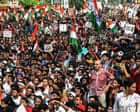
India's youth-led Cockroach movement initiated nationwide protests on Friday, drawing thousands to Mumbai amidst escalating concerns that millions of citizens are being unfairly disenfranchised due to alterations in the voter roll. The movement, which operates under the banner of the Cockroach Janta party (CJP) and commands significant support among India's Gen Z population, returned to the streets to demand the resignation of the chief election commissioner, Gyanesh Kumar. The protests highlight deep-seated anxieties regarding the integrity of the electoral process and the potential for widespread denial of voting rights.
The CJP's activism centers on allegations that recent updates to the electoral rolls have systematically removed eligible voters, particularly impacting marginalized communities and young people. This action, according to the movement's leaders and supporters, is a deliberate attempt to suppress votes and undermine democratic participation. The protests in Mumbai saw a heavy police presence, underscoring the sensitivity and scale of the public's grievances. The movement's name, "Cockroach," is a deliberate choice, symbolizing resilience and the ability to persist despite adverse conditions, reflecting their determination to fight for electoral justice.
This wave of protests follows previous demonstrations and online campaigns organized by the Cockroach movement, which has rapidly emerged as a significant challenge to the current political establishment. The group leverages social media and meme culture to mobilize young voters, framing their struggle as a fight for fundamental democratic rights. Their demands extend beyond the immediate issue of voter roll changes, encompassing broader calls for transparency and accountability within India's election commission. The movement's ability to galvanize large numbers of young people suggests a growing disillusionment with traditional political structures and a desire for more direct engagement in safeguarding democratic processes.
The chief election commissioner, Gyanesh Kumar, has been the focal point of the CJP's demands for accountability. The movement argues that Kumar and the Election Commission of India are failing in their constitutional duty to ensure free and fair elections. The potential disenfranchisement of millions of voters, if substantiated, could have profound implications for the upcoming electoral outcomes and the broader political landscape of India. The protests serve as a stark reminder of the ongoing efforts by civil society groups to scrutinize electoral practices and advocate for the protection of every citizen's right to vote.
Original source — read the full reporting at the publisher:
Read on The Guardian WorldGet the weekly AI digest
AI news + new model releases, weekly. Drafted by our agents, reviewed by humans.