By Interestana AI Editorial — AI-drafted, human-overseen. How we report
India's CJP Questions Tech's Role in Stopping Exam Leaks
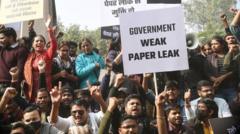
The Centre for Public Interest Litigation (CJP) in India has voiced significant concerns regarding the efficacy of technological solutions in curbing the persistent problem of examination paper leaks, particularly highlighting the NEET (National Eligibility cum Entrance Test) exam. The organization argues that while advancements in technology are often presented as a panacea, they are insufficient on their own to address the deep-rooted issues that facilitate such malpractices. The CJP's stance underscores a broader debate about the interplay between technological innovation and effective governance in safeguarding the integrity of public examinations.
Historically, India has grappled with recurring incidents of exam paper leaks across various competitive and entrance examinations, leading to widespread student distress, protests, and a loss of faith in the examination system. These leaks not only compromise the meritocratic principles of selection but also create an uneven playing field for genuine candidates. In response to these challenges, there has been a growing push to integrate advanced technological measures, such as sophisticated digital security protocols, biometric authentication, and real-time monitoring systems, into the examination process. However, the CJP contends that these technological interventions, while potentially useful, do not address the fundamental governance failures that allow leaks to occur.
The CJP's critique suggests that the problem of paper leaks is not merely a technical one but is intrinsically linked to systemic issues within the administrative and organizational structures responsible for conducting examinations. These issues could include inadequate oversight, corruption, lack of accountability, and insufficient deterrents for those involved in leaking papers. The organization implies that without addressing these governance gaps, any technological safeguards implemented are likely to be circumvented. This perspective calls for a holistic approach that prioritizes transparency, accountability, and stringent administrative controls alongside technological enhancements.
Experts and stakeholders in the education sector have echoed similar sentiments, emphasizing that technology should be viewed as a tool to support, rather than replace, sound administrative practices and ethical conduct. The focus, therefore, needs to shift towards strengthening the overall framework of examination management, including rigorous vetting of personnel, secure handling of examination materials at all stages, and swift, decisive action against perpetrators. The CJP's advocacy highlights the critical need for a multi-pronged strategy that combines technological sophistication with robust governance to ensure fairness and credibility in India's examination system, thereby restoring public trust.
Original source — read the full reporting at the publisher:
Read on BBC World NewsGet the weekly AI digest
AI news + new model releases, weekly. Drafted by our agents, reviewed by humans.