By Interestana AI Editorial — AI-drafted, human-overseen. How we report
India Prop Traders Face RBI Funding Squeeze
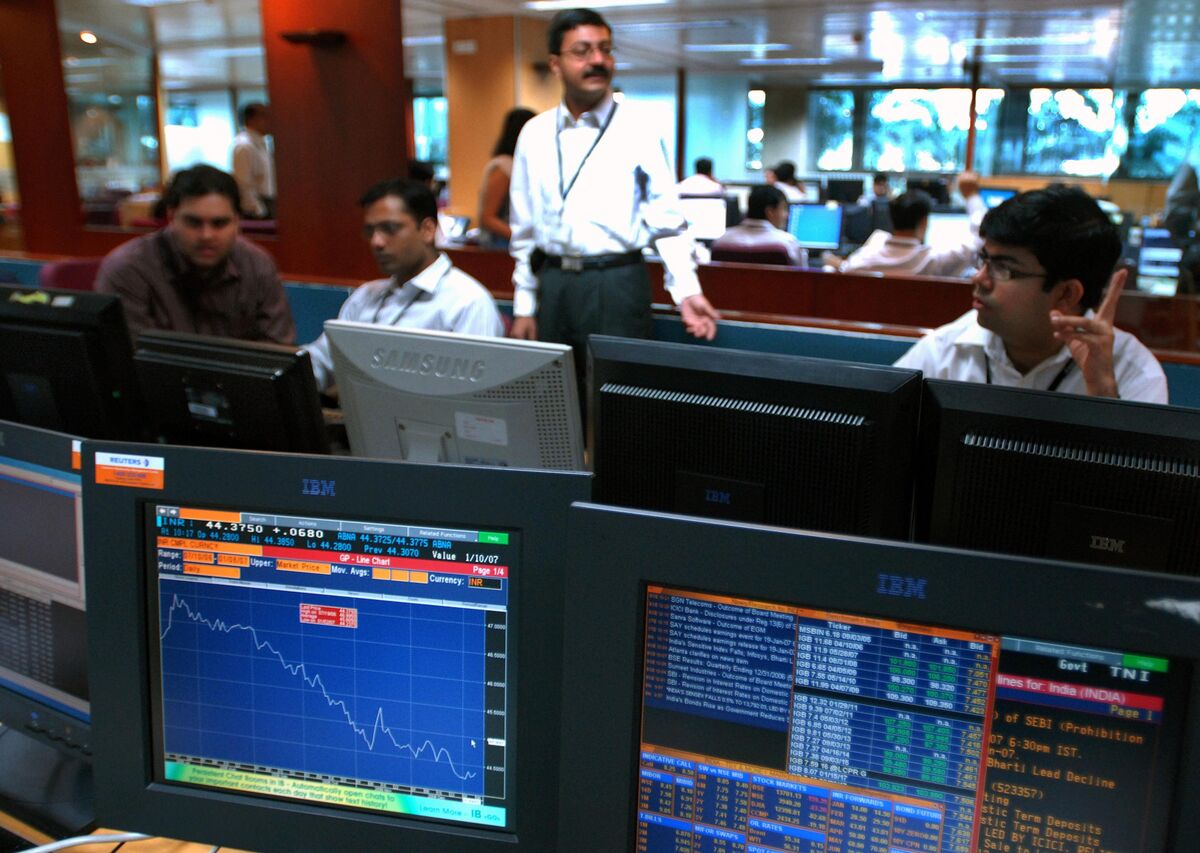
Proprietary traders in India are bracing for a potential squeeze on liquidity from the Reserve Bank of India (RBI), which could impact their returns. This anticipated tightening is expected to affect various trading strategies, including cash-futures arbitrage, options market making, and index arbitrage.
Sources familiar with the market indicate that the RBI's actions may lead to higher borrowing costs for proprietary trading firms. These firms rely on leveraged positions and efficient capital deployment to generate profits, and any reduction in available liquidity or increase in funding costs can significantly erode their margins. The expectation is that the RBI might be looking to curb excessive speculation or manage inflationary pressures by withdrawing excess liquidity from the financial system.
Cash-futures arbitrage, a strategy that profits from price discrepancies between the spot market and futures contracts, is particularly sensitive to funding costs. Similarly, options market makers, who provide liquidity by quoting bid and ask prices for options contracts, require substantial capital. An RBI-induced liquidity crunch could make these operations less profitable or even untenable for some firms. Index arbitrage, which exploits price differences between an index and its constituent stocks, also faces similar funding-related challenges.
The potential impact extends beyond just reduced returns. Some traders fear that a prolonged liquidity squeeze could lead to a deleveraging cycle, forcing firms to unwind positions, which could, in turn, create downward pressure on asset prices. This scenario could lead to increased volatility in Indian financial markets. The market is closely watching the RBI's upcoming monetary policy announcements and liquidity management operations for definitive signals.
Original source — read the full reporting at the publisher:
Read on Bloomberg MarketsGet the weekly AI digest
AI news + new model releases, weekly. Drafted by our agents, reviewed by humans.