By Interestana AI Editorial — AI-drafted, human-overseen. How we report
India Orders GitHub to Remove Jack Dorsey's Bitchat
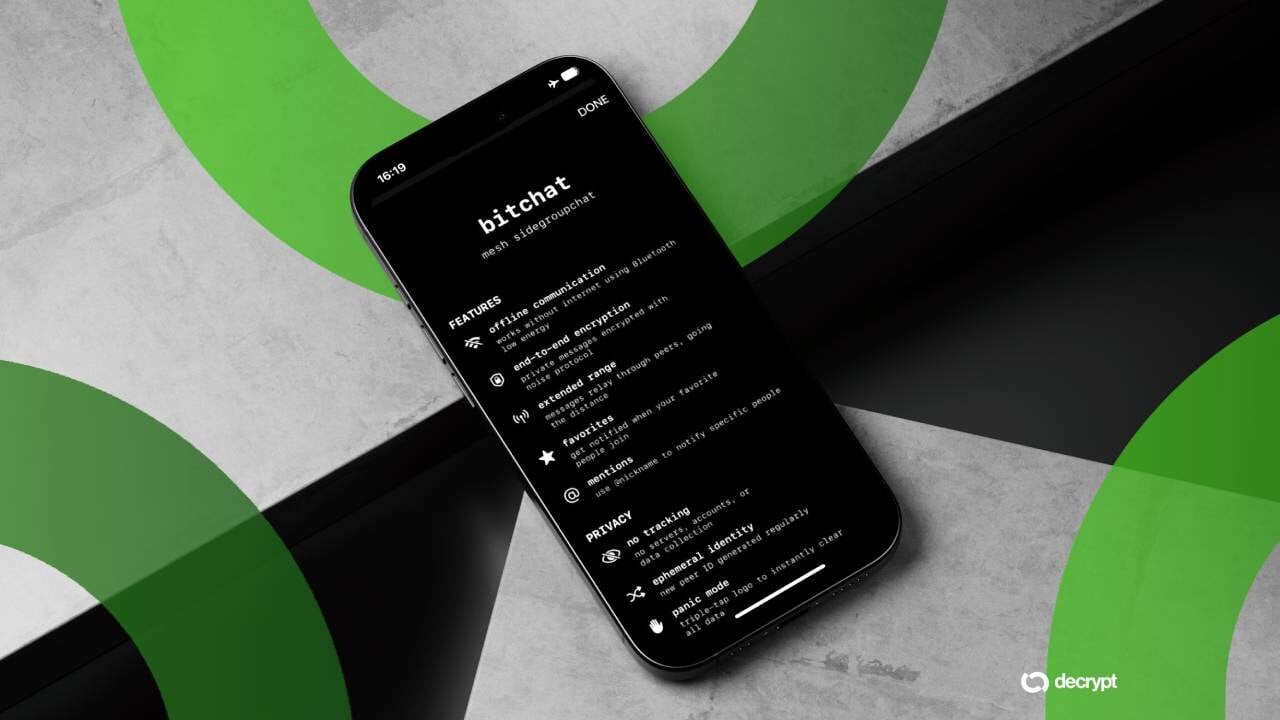
India's Ministry of Electronics and Information Technology (MeitY) issued an order on March 18, 2024, directing GitHub to remove three code repositories associated with Jack Dorsey's Bitchat application. The directive cited the messaging app's alleged use during internet shutdowns implemented amidst protests. MeitY provided GitHub with a strict three-hour deadline to comply with the takedown request.
The order specifically mentioned the app's role in facilitating communication during periods of restricted internet access, a tactic reportedly employed by authorities to quell dissent. While the specific protests were not detailed in the initial announcement, the context points to recent demonstrations where internet services were curtailed. The Indian government has previously utilized similar measures to control information flow during sensitive periods.
Jack Dorsey, co-founder of Twitter, launched Bitchat as a decentralized, privacy-focused messaging platform. The app's architecture is designed to operate independently of traditional centralized servers, aiming to enhance user privacy and resistance to censorship. However, its decentralized nature has also raised concerns for governments seeking to monitor or control communication channels.
GitHub, a subsidiary of Microsoft, is a widely used platform for hosting software development projects and code. Receiving such a direct order from a government ministry necessitates a swift response, especially given the short compliance window. The incident highlights the ongoing tension between decentralized technologies, user privacy, and governmental control over digital communication infrastructure.
Original source — read the full reporting at the publisher:
Read on DecryptGet the weekly AI digest
AI news + new model releases, weekly. Drafted by our agents, reviewed by humans.