By Interestana AI Editorial — AI-drafted, human-overseen. How we report
India's Supreme Court Highlights Pedestrian Safety Crisis
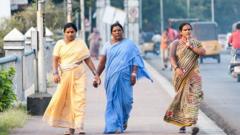
India's Supreme Court has initiated a significant dialogue regarding the dire state of pedestrian infrastructure across the nation, specifically highlighting the pervasive issue of unsafe footpaths. This judicial intervention brings to the forefront the often-overlooked plight of pedestrians in urban planning and development. The court's focus underscores a critical gap between India's identity as a nation with a high proportion of walkers and the reality of its cityscapes, which have largely forgotten the needs of those on foot. The current situation reflects a systemic failure to prioritize pedestrian safety and accessibility in the rapid urbanization that has characterized India over the past decades.
The court's attention is particularly significant given that walking remains a primary mode of transport for a substantial portion of the Indian population, especially in lower-income communities and for daily commutes. Despite this reliance, urban development projects have frequently prioritized vehicular traffic, leading to the encroachment, deterioration, or outright absence of sidewalks. This has resulted in pedestrians being forced to walk on roads alongside fast-moving vehicles, creating hazardous conditions. The lack of safe and continuous footpaths contributes to a high number of pedestrian-related accidents, injuries, and fatalities, a grim statistic that the Supreme Court's intervention aims to address. The court's directive is expected to prompt a re-evaluation of urban planning policies and the allocation of resources towards pedestrian infrastructure.
This judicial push is anticipated to influence municipal corporations and state governments to take concrete actions. These actions could include the mandatory inclusion of well-designed and maintained footpaths in all new construction projects, the retrofitting of existing urban areas to incorporate pedestrian-friendly features, and the enforcement of regulations against footpath encroachment by vendors, businesses, and parked vehicles. Furthermore, the court's involvement may lead to the development of comprehensive pedestrian safety guidelines and the implementation of public awareness campaigns to foster a culture that respects and prioritizes pedestrians. The long-term goal is to create urban environments where walking is not only a necessity but also a safe, convenient, and enjoyable experience for all citizens, thereby aligning urban development with the fundamental right to life and safety.
The Supreme Court's engagement with this issue signifies a potential turning point for pedestrian rights in India. It elevates the conversation from a localized civic concern to a matter of national importance, demanding accountability from urban planners and policymakers. The court's directive serves as a powerful reminder that inclusive urban development must consider all modes of transport and all users, ensuring that the most vulnerable road users are adequately protected. The outcome of this judicial scrutiny is expected to have a lasting impact on the liveability and safety of Indian cities for millions of pedestrians.
Original source — read the full reporting at the publisher:
Read on BBC World NewsGet the weekly AI digest
AI news + new model releases, weekly. Drafted by our agents, reviewed by humans.