By Interestana AI Editorial — AI-drafted, human-overseen. How we report
Wildfires Threaten American Suburbs Amid Climate Change
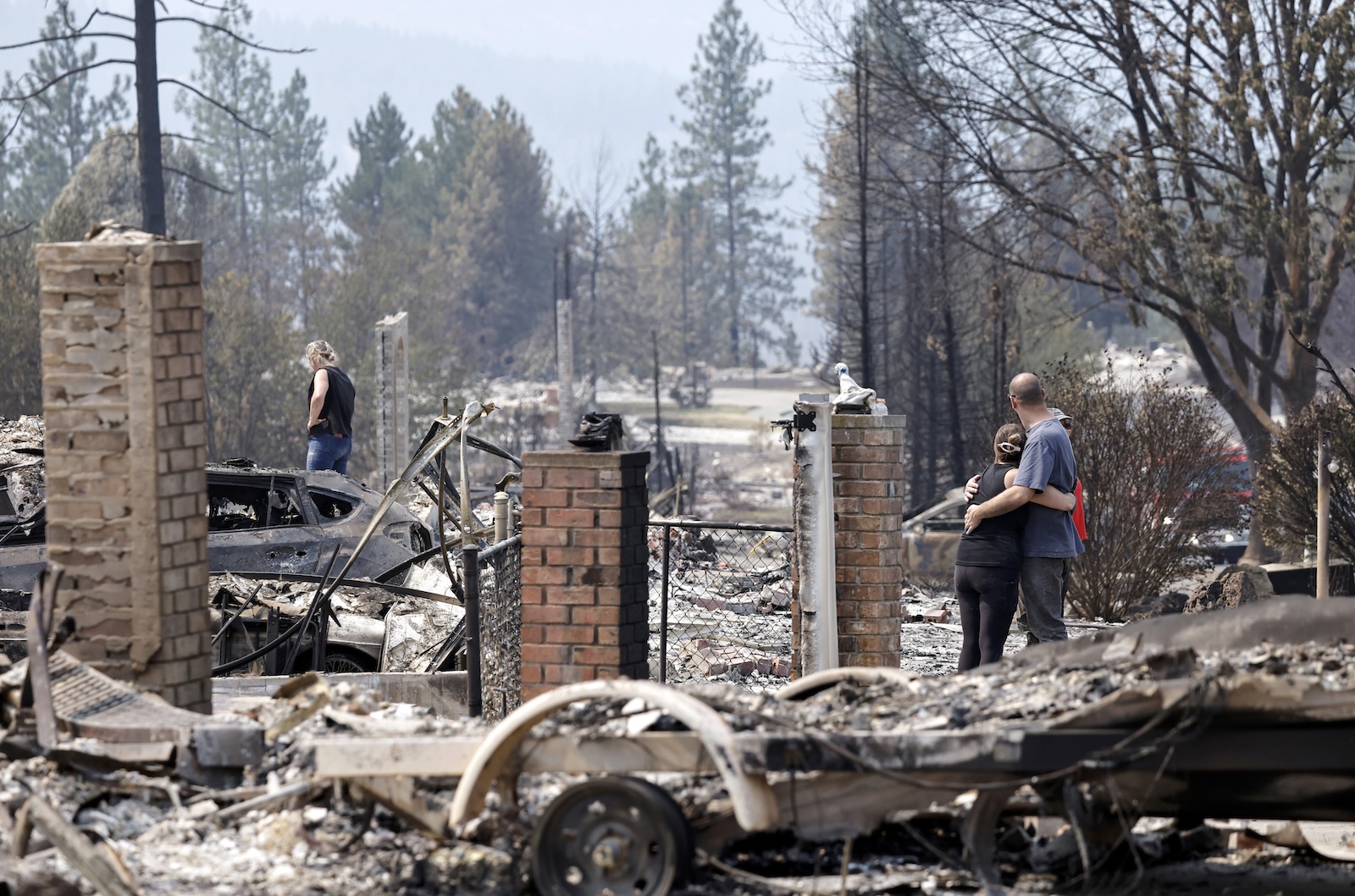
Wildfires are increasingly encroaching upon suburban communities in the American West, a trend scientists attribute to climate change and exacerbated by suburban sprawl into naturally fire-prone landscapes. The Hawk Fire, which began on August 22, rapidly spread over 23 miles due to strong winds, forcing 90,000 residents in Somersett, Nevada, to evacuate and resulting in the destruction of dozens of homes. This incident follows the Bug Fire two weeks prior, which burned 150 square miles north of the same region. This year alone, over 7.9 million acres have burned across the United States, with Canada also experiencing significant fire activity, including over 5,100 fires impacting First Nations and residents of Ontario. Scientists point to climate change as a primary driver, making such intense fire events significantly more probable. Specific contributing factors in the Western U.S. this year include record-low winter snowfall, which reduced essential summer moisture from snowpack, and prolonged extreme heat waves that desiccated the landscape. The phenomenon of suburban sprawl, where housing developments are built in close proximity to wildlands, is identified as a critical factor amplifying the risk. This area, known as the wildland-urban interface (WUI), has seen explosive population growth over recent decades, with people increasingly choosing to live in areas historically susceptible to fire. Researchers have been warning about the fire risks associated with the WUI since the 1980s. As global temperatures rise due to the burning of fossil fuels, the conditions conducive to large and destructive wildfires are expected to intensify, placing more suburban communities at risk. The increasing frequency and severity of these fires highlight the complex interplay between environmental conditions, human development patterns, and the escalating impacts of a warming planet. The economic and social costs associated with these events, including property damage, displacement, and public health concerns related to smoke inhalation, are substantial and growing. Addressing this challenge requires a multi-faceted approach that includes improved land-use planning, enhanced fire prevention strategies, and robust climate change mitigation efforts to reduce the underlying drivers of increased fire activity.
Original source — read the full reporting at the publisher:
Read on GristGet the weekly AI digest
AI news + new model releases, weekly. Drafted by our agents, reviewed by humans.