By Interestana AI Editorial — AI-drafted, human-overseen. How we report
Police Body Cameras Can Improve Justice System Fairness
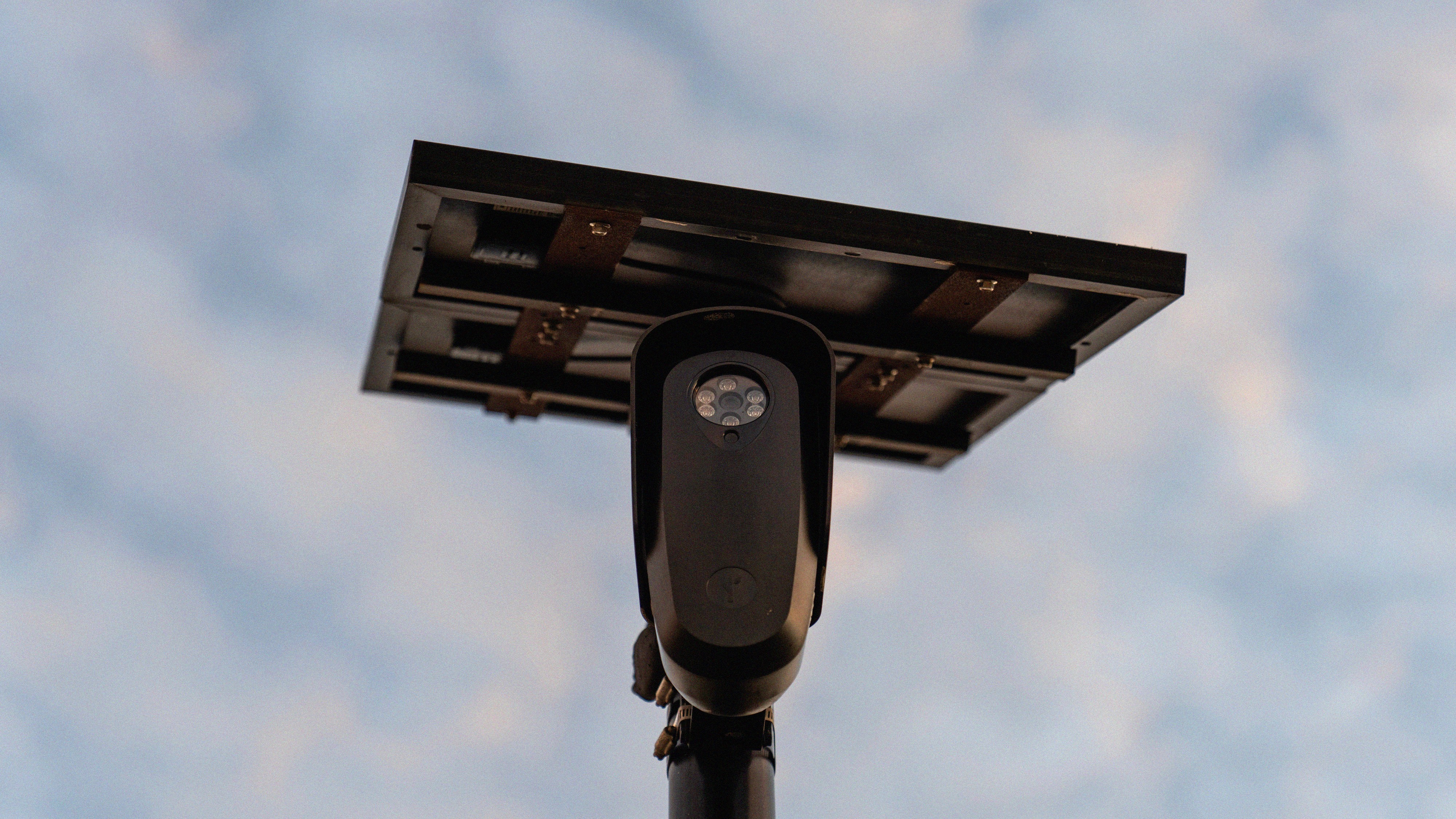
Body-worn cameras on law enforcement officers present a significant opportunity to enhance fairness and reduce punitive outcomes within the criminal justice system, provided their implementation and use are carefully managed. These devices capture video and audio evidence of interactions between police and the public, offering an objective record that can corroborate or challenge accounts from both parties. This objective record can be crucial in resolving disputes, investigating misconduct, and ensuring accountability.
The evidence gathered by body cameras can serve multiple purposes. For prosecutors, it can strengthen cases by providing direct visual proof of events, potentially leading to more efficient plea bargains or more confident convictions based on clear evidence. For defense attorneys, it can reveal inconsistencies in police testimony or evidence, or highlight instances of excessive force or procedural errors, thereby protecting the rights of the accused. For the public, it offers transparency and a means to hold law enforcement accountable for their actions, fostering greater trust in the police.
However, the effectiveness of body cameras is not automatic and depends heavily on policy and practice. Key considerations include how the footage is stored, accessed, and retained. Policies must address privacy concerns for both officers and civilians, ensuring that footage is not misused or unnecessarily disseminated. Furthermore, clear guidelines are needed on when cameras should be activated and deactivated, and who has the authority to review and release the footage. The analysis suggests that without robust policies, the potential benefits of body cameras may not be fully realized, and in some cases, could even lead to unintended negative consequences.
The argument for body cameras is rooted in the potential to mitigate bias and improve the accuracy of the justice system. By providing an unvarnished account of events, these cameras can help to counter subjective interpretations and biases that may influence testimony or decision-making. This can lead to a more equitable application of the law, where outcomes are based on verifiable facts rather than assumptions or prejudice. The technology, therefore, is not merely a surveillance tool but a mechanism for enhancing due process and promoting a more just society.
Original source — read the full reporting at the publisher:
Read on The AtlanticGet the weekly AI digest
AI news + new model releases, weekly. Drafted by our agents, reviewed by humans.