By Interestana AI Editorial — AI-drafted, human-overseen. How we report
South Korea's President Lee Seeks Peace, Faces Unease Over Trump's Drills Cut
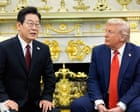
South Korean President Lee Jae Myung has pursued a strategy of de-escalating military posturing and extending peace overtures to North Korea, aiming to revive dialogue. This approach, which has been consistently rejected by Pyongyang primarily due to Seoul's insistence on denuclearization, was articulated by President Lee to Donald Trump during their first summit in August of the previous year. At that meeting, President Lee stated, "If you, Mr President, become the peacemaker, then I will assist you as the pacemaker," highlighting his desire for a diplomatic resolution.
Despite President Lee's long-standing advocacy for strengthening South Korea's independent defense capabilities, Donald Trump's recent decision to reduce or cut joint military exercises with South Korea has generated significant unease within certain quarters in Seoul. This move, intended to support President Lee's agenda, has paradoxically sparked alarm, suggesting a potential shift in the long-standing security alliance between the United States and South Korea. The reduction in joint drills, a cornerstone of deterrence against North Korea, raises questions about regional stability and the future of security cooperation.
President Lee's administration has consistently emphasized the need for robust domestic defense capabilities, a policy that aligns with a desire to reduce reliance on external military support. However, the implications of diminished joint exercises with the United States, a key ally, introduce a layer of complexity to this objective. While the reduction might be seen as a step towards greater South Korean autonomy in defense, it also potentially creates security vacuums or alters the strategic calculus in the Korean Peninsula. The uneasy reaction in Seoul suggests that the perceived benefits of reduced drills are being weighed against potential security risks and the broader implications for regional deterrence.
The ongoing tensions with North Korea, characterized by Pyongyang's persistent rejection of dialogue tied to denuclearization demands, underscore the delicate security environment. President Lee's peace overtures, though repeatedly rebuffed, represent a continued effort to find diplomatic pathways. The decision by Donald Trump to alter the scale of joint military exercises introduces a new variable into this complex equation, prompting South Korean officials and observers to reassess the nation's security posture and the dynamics of its alliance with the United States.
Original source — read the full reporting at the publisher:
Read on The Guardian WorldGet the weekly AI digest
AI news + new model releases, weekly. Drafted by our agents, reviewed by humans.