By Interestana AI Editorial — AI-drafted, human-overseen. How we report
Inuit Bear Guards Enhance Arctic Safety Amid Climate Change
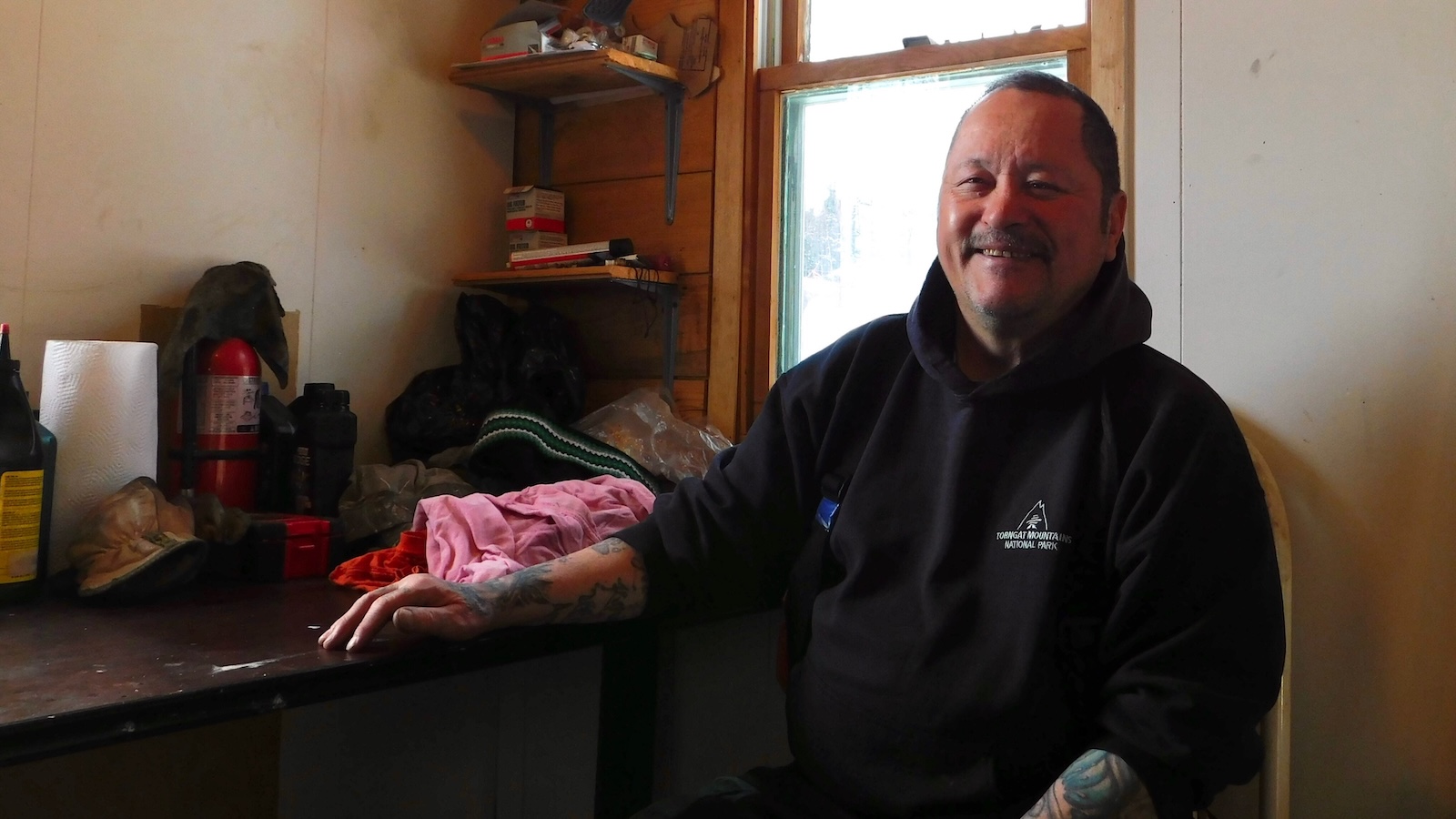
In the warming Arctic, Inuit communities are bolstering their defenses against increasing bear encounters through specialized training programs like BearSafe Planning. Derrick Pottle, an elder and skilled guide from the Inuit community of Tikigâksuagusik in Nunatsiavut, founded BearSafe Planning in 2005. This organization offers a three-day course designed to train and certify individuals to act as "bear guards," providing safety, protection, and confidence when navigating areas inhabited by polar bears and black bears, prevalent throughout northern Labrador. The program's renewed urgency stems from the profound impacts of climate change on the Arctic environment. Specifically, the reduction in sea ice, which polar bears depend on for travel and hunting, is forcing these animals to spend more time on land and appear in areas and at times of the year previously uncommon. Pottle emphasizes that these environmental shifts are directly increasing the necessity for individuals trained in coexisting safely with bears. Graduates of the BearSafe Planning program are taught to actively monitor for bears, thereby preventing potentially dangerous encounters. A critical component of the training involves recognizing behavioral cues that indicate a bear feels threatened, intimidated, or is preparing to charge or attack. Pottle instructs students on how to identify these signs and how to prepare themselves and utilize appropriate tools to manage such situations effectively. Canadian officials corroborate these observations, noting that a lengthening ice-free season is compelling polar bears to remain on land for extended periods, thus elevating the likelihood of human-bear interactions. Reports from Inuit and Cree communities consistently highlight the increasing frequency and unusual locations of polar bear sightings. Scientific research supports these anecdotal accounts, linking the observed changes to factors such as extended ice-free durations, alterations in polar bear populations and their physical condition, and the expansion of human activities within polar bear habitats. Derrick Pottle developed the BearSafe Planning training curriculum in collaboration with various stakeholders, including Parks Canada and conservation organizations, ensuring the program's comprehensive and effective approach to human-wildlife conflict mitigation in the Arctic.
Original source — read the full reporting at the publisher:
Read on GristGet the weekly AI digest
AI news + new model releases, weekly. Drafted by our agents, reviewed by humans.