By Interestana AI Editorial — AI-drafted, human-overseen. How we report
Drought Fuels Unexpected Rise in Some Infectious Diseases
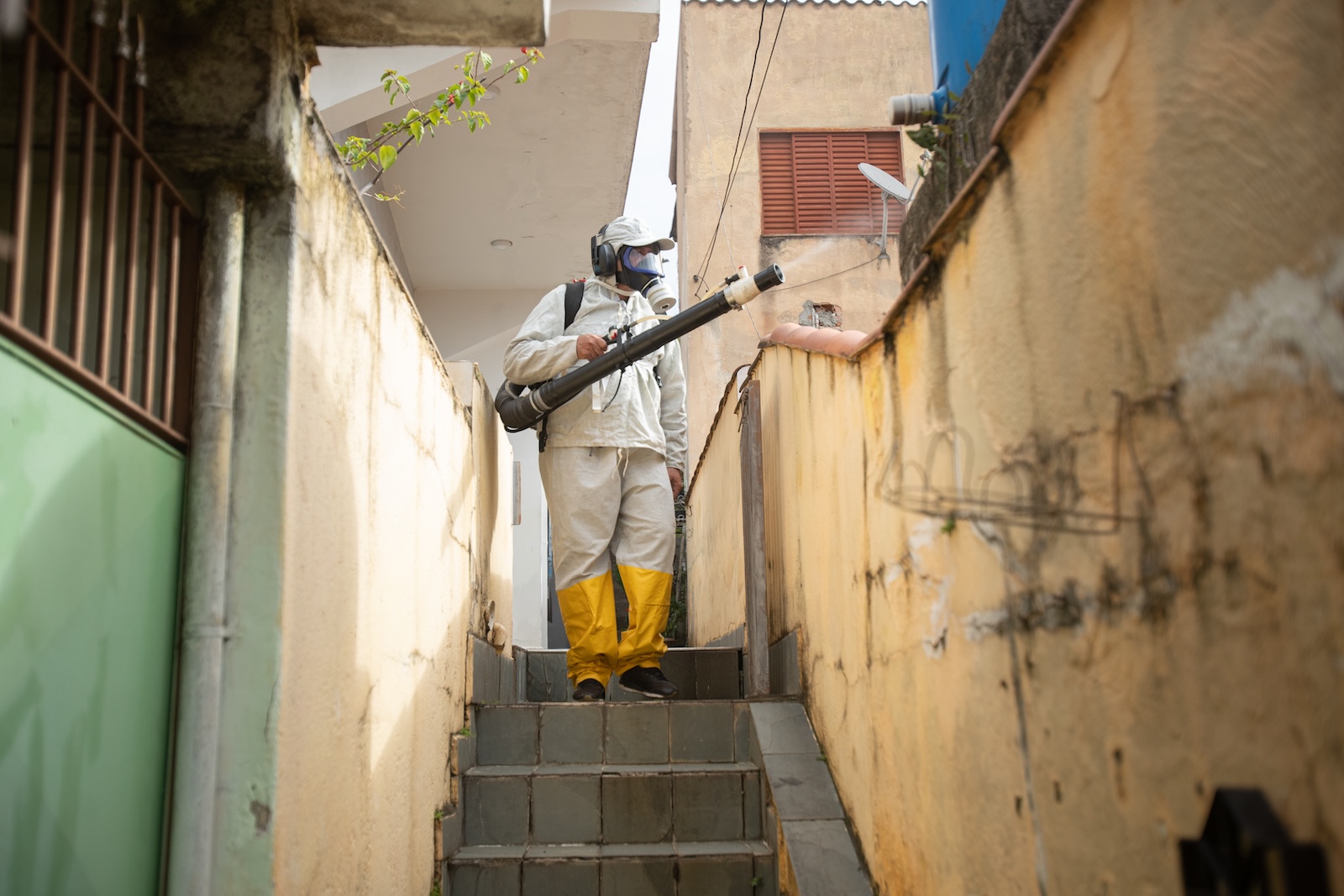
The Earth is experiencing unprecedented levels of heat and dryness, with significant impacts on water resources globally. This summer, for instance, U.S. states are contending with critically low levels in the Colorado River, while Puerto Rico faces prolonged water shortages due to drought. In Europe, record low water levels in the Danube and Rhine rivers have forced nuclear plant shutdowns, damaged crops, and revealed historical artifacts. Over 60 percent of Italian farmland is currently affected by severe drought conditions. Emerging scientific evidence suggests a correlation between drier climates and an increase in infectious diseases across the animal kingdom, including humans. A recent paper published in the journal Trends in Ecology and Evolution synthesized findings from nearly 100 studies examining diseases in mammals, fish, amphibians, and insects. The research highlights how drought conditions can paradoxically facilitate the spread of certain pathogens and parasites. While some water-dependent diseases, such as schistosomiasis (snail fever) and malaria, may decline with the drying up of water bodies, others like cholera, West Nile virus, and dengue fever are observed to proliferate. This phenomenon is termed the “drought-disease paradox” by researchers. Tara Stewart Merrill, an aquatic disease ecologist at the Cary Institute of Ecosystem Studies and coauthor of the paper, described the situation as counterintuitive, noting that diseases typically associated with water can thrive in its scarcity. Stewart Merrill and her collaborator, Pieter Johnson, a professor at the University of Colorado Boulder, began investigating the impact of drought on pathogens several years ago while studying pond ecosystems in California. Their research was prompted when a significant portion of their study sites unexpectedly dried up. The paper details how specific environmental changes brought about by drought can create conditions favorable for the transmission and survival of certain disease-causing agents. For example, reduced water flow can concentrate pathogens, while changes in host behavior or population dynamics due to water scarcity can increase exposure. The study emphasizes the complex and often unexpected ways climate change influences public health and ecological systems, necessitating a re-evaluation of disease prevention strategies in regions experiencing increased drought. The findings underscore the need for adaptive public health measures that account for these paradoxical disease patterns.
Original source — read the full reporting at the publisher:
Read on GristGet the weekly AI digest
AI news + new model releases, weekly. Drafted by our agents, reviewed by humans.