By Interestana AI Editorial — AI-drafted, human-overseen. How we report
King Camp Gillette Perfected Capitalism With Razor Blades
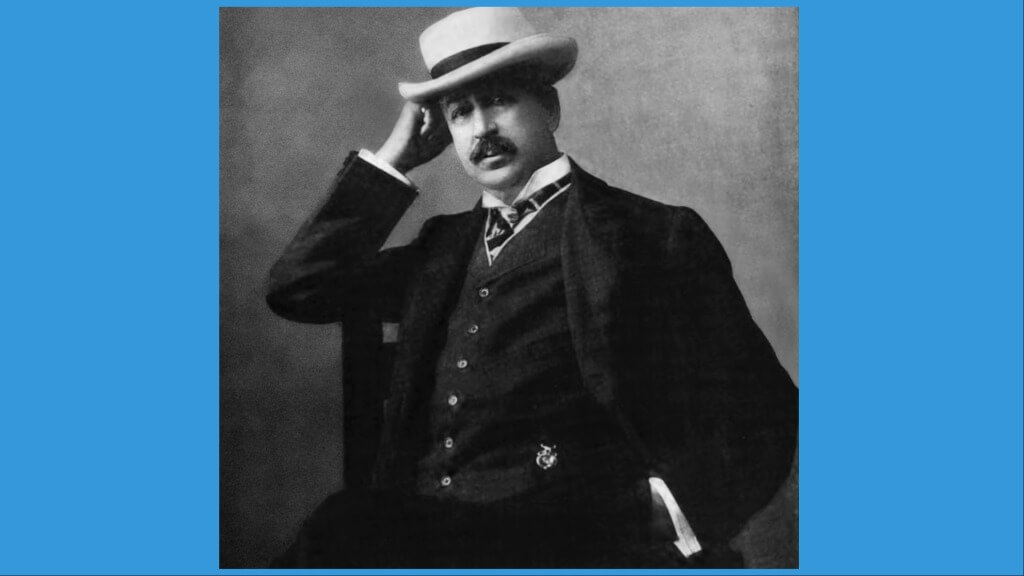
In 1903, King Camp Gillette, a figure described as a utopian socialist, is credited with perfecting capitalism through his invention of the disposable razor blade and the "razor and blades" business model. This innovative approach involved selling the initial product, a safety razor, at a low cost to encourage continuous purchases of replacement blades. This strategy was inspired by his boss, William Painter, the inventor of the disposable bottle cap, who advised Gillette to create a product designed for repeated consumption.
Gillette developed a carbon steel razor blade that surpassed competitors in sharpness and durability, capitalizing on the nascent market for replaceable-blade safety razors. His company, Gillette, experienced exponential growth, selling 51 razors in 1903 and rapidly increasing to 90,884 razors in 1904. By 1915, the company was selling an impressive 70 million blades annually, demonstrating the immense success of his business model.
Beyond his commercial innovations, King Gillette harbored ambitious utopian socialist ideals. His 1894 book, "The Human Drift," proposed the consolidation of all American companies into a single, collectively owned entity. He further elaborated on this vision in his 1910 book, "World Corporation," outlining the operational structure of such a vast enterprise and even engaging with President Theodore Roosevelt on the matter. Gillette's dual legacy combines groundbreaking business strategy with a unique vision for societal organization.
Original source — read the full reporting at the publisher:
Read on The A.V. ClubGet the weekly AI digest
AI news + new model releases, weekly. Drafted by our agents, reviewed by humans.