By Interestana AI Editorial — AI-drafted, human-overseen. How we report
Loznitsa's Imperium Collates 1970s Soviet Life
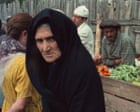
Sergei Loznitsa's documentary "Imperium" presents a compilation of archival footage shot between 1970 and 1973, offering a panorama of daily life across the Soviet Union during the early 1970s. The film, which Loznitsa subtitled "Imperium" in Latin, potentially referencing the decline of empires, draws from material captured by a visiting Italian camera crew. This crew, presumably with official permissions and favorable relations with Soviet authorities, was able to repeatedly film within the USSR during this period. The footage, originally intended perhaps as B-roll for a more conventional film, is presented without interviews or voiceover, relying solely on ambient visuals.
The resulting documentary creates a multifaceted viewing experience, described as part Potemkin village, part seance, and part ethnographic study. The film evokes an eerie quality, akin to a ghost story, with individuals appearing as phantoms drifting across the screen. These figures gaze blankly into the camera, sometimes grimacing or grinning, yet are unaware they are part of a film that will eventually be seen. The documentary deliberately omits overt depictions of state repression, such as gulags or the direct presence of state security agencies. The only visible representation of state apparatus is the presence of soldiers during October Revolution parades in Red Square. This contrasts with the current reality in many former Soviet capitals, where former KGB headquarters now house tourist-attraction museums dedicated to state security, a theme absent from Loznitsa's compilation.
"Imperium" focuses on the quotidian aspects of Soviet existence, showcasing scenes that reflect the everyday routines and environments of the era. The film's approach, devoid of explicit commentary or narrative framing, invites viewers to interpret the visual information presented. This method of presentation allows for a more direct, albeit unmediated, encounter with the past. The archival nature of the footage, combined with its raw, unedited presentation, contributes to its hypnotic and immersive quality. The film's title, "Imperium," suggests a broader commentary on power structures and societal organization, juxtaposed against the intimate glimpses of individual lives within that system.
Sergei Loznitsa, known for his previous work including "The Two Prosecutors," employs this archival collage technique to explore historical periods and societal dynamics. The film's premiere at the Venice Film Festival highlights its significance as a cinematic exploration of historical memory and the representation of past societies. By utilizing footage that was not originally intended for public dissemination in this format, Loznitsa aims to provide a more authentic, or at least less curated, perspective on what life was like in the Soviet Union during the Cold War. The film's success lies in its ability to transform seemingly mundane footage into a compelling and thought-provoking documentary that resonates with contemporary audiences interested in historical and political contexts.
Original source — read the full reporting at the publisher:
Read on The Guardian CultureGet the weekly AI digest
AI news + new model releases, weekly. Drafted by our agents, reviewed by humans.