By Interestana AI Editorial — AI-drafted, human-overseen. How we report
Illinois Legalizes 40 MPH E-Bikes With Restrictions
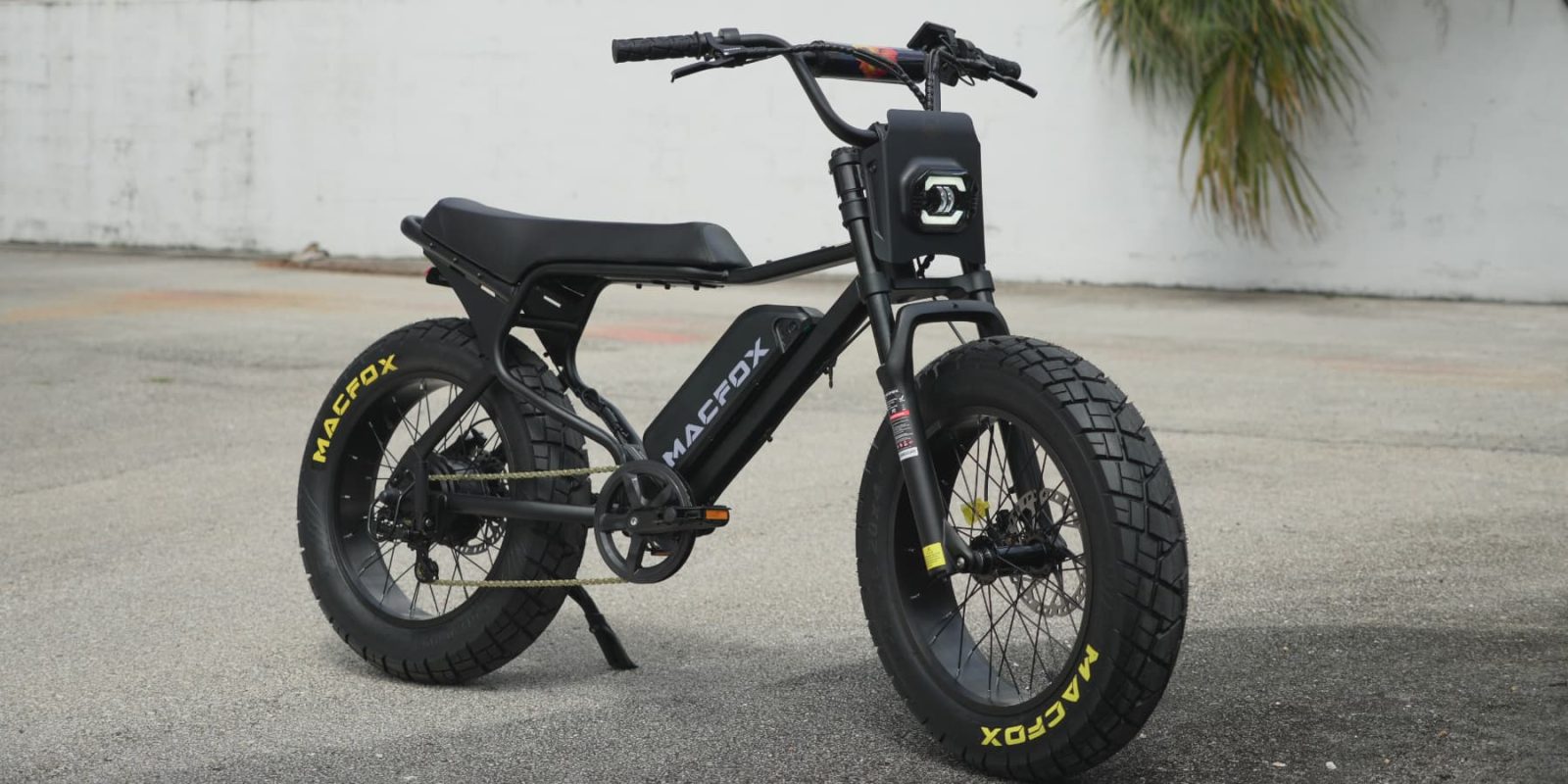
Illinois has enacted a new comprehensive electric bicycle law that addresses the classification and regulation of high-powered e-bikes, specifically those capable of reaching speeds of 35 to 40 mph. Previously, these faster electric bicycles did not fit within the existing three-class system for standard e-bikes, creating regulatory uncertainty. The new legislation, signed into law, aims to integrate these powerful machines into the state's traffic framework while introducing specific limitations to ensure public safety.
The law permits e-bikes to operate at speeds up to 40 mph, a significant increase from the typical 20-28 mph limits for Class 3 e-bikes. However, this newfound legality comes with substantial restrictions. These high-speed e-bikes are prohibited from using dedicated bicycle paths and lanes. Instead, they are mandated to operate on roads, sharing lanes with conventional motor vehicles. Furthermore, riders of these 40 mph e-bikes must be at least 16 years old and are required to wear a helmet at all times. The law also stipulates that these e-bikes must be equipped with a functioning speedometer to accurately display the rider's speed.
This legislative change reflects a growing trend in the United States to adapt regulations for the rapidly evolving electric mobility market. As e-bike technology advances, offering greater speed and power, lawmakers are grappling with how to safely incorporate these vehicles into existing transportation infrastructure. The Illinois law represents one approach, attempting to balance the desire for faster personal electric transport with the need to protect cyclists and motorists. The distinction between these high-speed e-bikes and traditional bicycles is further emphasized by their operational limitations, pushing them closer to the classification of mopeds or motorcycles in terms of road usage.
The implications of this law are far-reaching for manufacturers, retailers, and consumers of high-powered e-bikes. It provides a clearer legal pathway for these devices, potentially boosting sales and adoption. However, the restrictions on where they can be ridden mean that users will need to be mindful of their routes and adhere strictly to the new regulations. The requirement for helmet use and age restrictions are safety measures designed to mitigate the increased risks associated with higher speeds. The success of this law will likely depend on effective enforcement and public awareness campaigns to ensure compliance and prevent accidents on Illinois roadways.
Original source — read the full reporting at the publisher:
Read on ElectrekGet the weekly AI digest
AI news + new model releases, weekly. Drafted by our agents, reviewed by humans.