By Interestana AI Editorial — AI-drafted, human-overseen. How we report
White House Targets $112 Billion Tariff Evasion Scheme
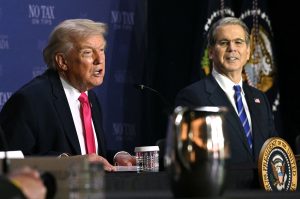
The White House is intensifying efforts to combat a significant tariff evasion scheme, which it claims is costing the U.S. billions of dollars in lost tax revenue annually. This fraudulent practice, often involving transshipment, allows companies to route exports through third countries to avoid steep tariffs imposed by the U.S. The administration's Office of Trade and Manufacturing Policy (OTMP) released a report detailing the magnitude of the problem, estimating that the U.S. is losing between $19 billion and $26 billion in tax revenue each year due to these tactics. The report highlights a substantial discrepancy in trade data, with a $112 billion gap observed last year between China's reported exports to the U.S. and the U.S.'s reported imports from China, indicating a significant increase in tariff evasion efforts. China is identified as a primary perpetrator, with its exports being processed through over 40 other countries to circumvent U.S. tariffs. However, the report also points to numerous other nations that are allegedly turning a blind eye to shell importers and foreign entities engaged in this tariff fraud. The OTMP described the situation as a "Great Transshipment Scam," a complex issue fueled by economic incentives, unscrupulous actors, and insufficient enforcement mechanisms that have been allowed to fester over time. The report suggests that previous trade policies may have inadvertently created an environment conducive to such fraudulent activities. The core of the transshipment scheme involves misrepresenting the country of origin for goods to avoid tariffs. For instance, if a product manufactured in China is subject to a high U.S. tariff, it might be shipped to Vietnam, repackaged or minimally processed, and then declared as originating from Vietnam to enter the U.S. market with lower or no tariffs. This practice not only deprives the U.S. government of substantial revenue but also distorts international trade patterns and can harm domestic industries that compete with these unfairly priced imports. The economic consequences extend beyond lost tax revenue, potentially impacting the Gross Domestic Product (GDP) and creating an uneven playing field for legitimate businesses. The White House's crackdown aims to enhance enforcement, improve data transparency, and collaborate with international partners to identify and penalize entities involved in tariff fraud. The report underscores the administration's commitment to ensuring fair trade practices and protecting U.S. economic interests from such illicit schemes. The complexity of global supply chains and the varying tariff rates across different trade agreements provide fertile ground for such evasion tactics, making the enforcement a continuous challenge. The administration's proactive stance signifies a recognition of the escalating threat posed by tariff fraud and its detrimental effects on national revenue and economic integrity.
Original source — read the full reporting at the publisher:
Read on FortuneGet the weekly AI digest
AI news + new model releases, weekly. Drafted by our agents, reviewed by humans.