By Interestana AI Editorial — AI-drafted, human-overseen. How we report
Beyond the Buzz: Unveiling the Vital, Migratory World of Flies
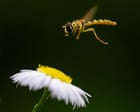
Billions of flies undertake remarkable global migrations each spring, traversing thousands of miles as integral components of a vast, interconnected ecological network. These journeys can see flies originating in places like Iran and subsequently establishing themselves in the United Kingdom, or hatching in India and embarking on seasonal migrations to the fertile landscapes of Mongolia, China, and Siberia. This scale of movement underscores a complexity and a vital role in global ecosystems that is largely unacknowledged by the public.
While bees are widely celebrated for their pollination services, a closer look at the insects observed in gardens and parks reveals that many are, in fact, flies. These flies are often mistaken for bees due to their similar ecological function, but they exhibit distinct flight patterns, produce different sounds, and possess unique morphological characteristics upon detailed inspection. Their contribution to pollination is substantial, making them crucial partners in plant reproduction, often rivaling bees in their impact across various environments. This often-overlooked pollination role is a testament to their ecological significance.
The importance of flies extends far beyond pollination. They are fundamental to the global food cycle, primarily through their roles as decomposers and as a vital food source for a wide array of other organisms. The larvae of many fly species, commonly referred to as maggots, are exceptionally efficient at breaking down organic matter. This decomposition process is critical for nutrient cycling, returning essential elements to the soil, which in turn supports healthy plant growth and sustains broader biodiversity. The absence of flies would lead to significant disruptions in ecosystems, impacting everything from plant communities to the populations of insectivorous animals that rely on them for sustenance.
Despite these critical ecological functions, flies are predominantly associated with negative connotations, such as filth and disease, in the public consciousness. This pervasive negative perception frequently overshadows their fascinating life cycles, their intricate migratory behaviors, and their essential contributions to environmental health. Recognizing the sophisticated biological adaptations and the often-unseen ecological services provided by flies is crucial for a comprehensive understanding of their impact on the planet's ecosystems and food webs, challenging deeply ingrained assumptions about these indispensable insects.
Original source — read the full reporting at the publisher:
Read on The Guardian EnvironmentGet the weekly AI digest
AI news + new model releases, weekly. Drafted by our agents, reviewed by humans.