By Interestana AI Editorial — AI-drafted, human-overseen. How we report
Democrat Women May Shape Future Crypto Legislation
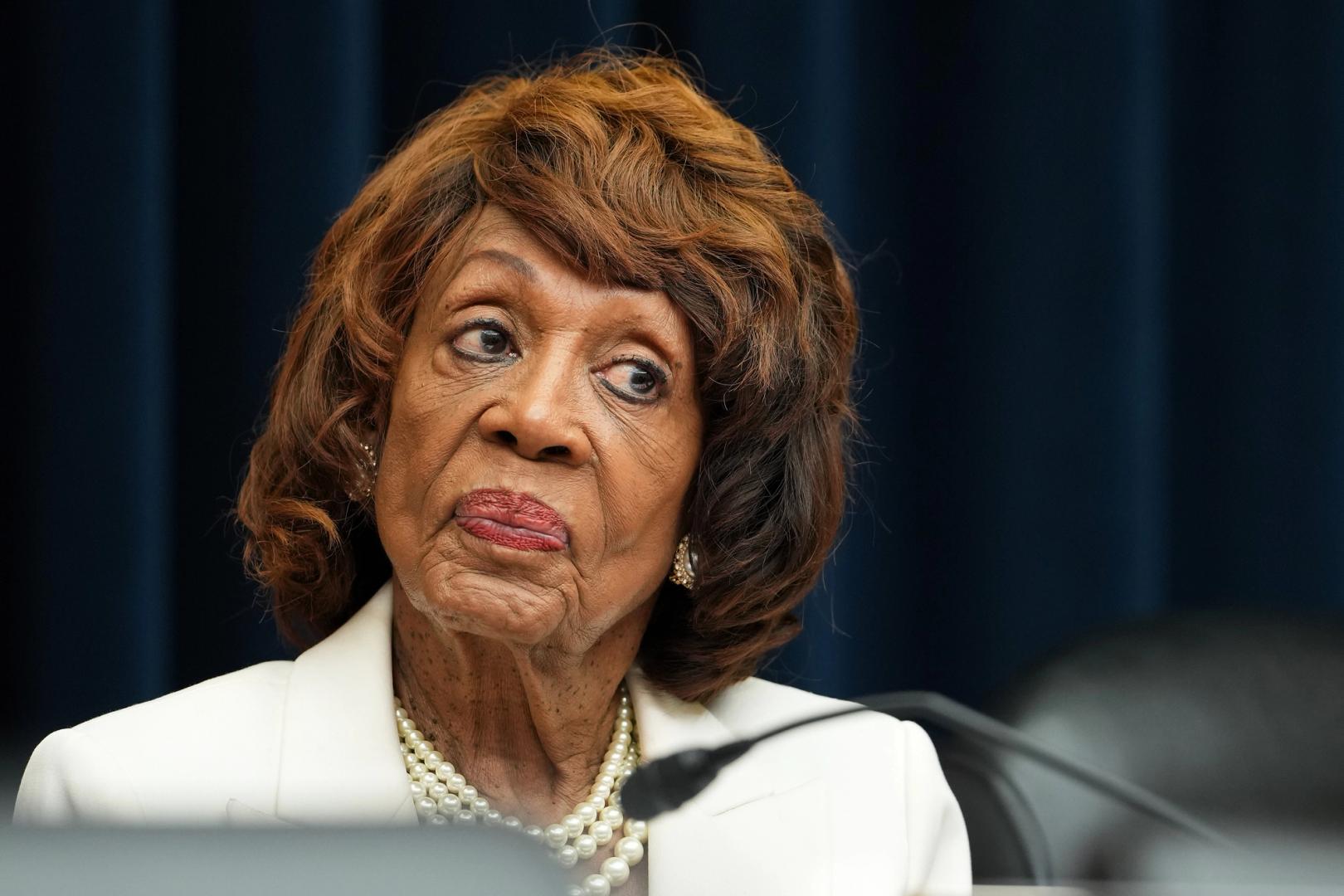
Three Democratic women are positioned to wield considerable influence over future cryptocurrency legislative efforts in the U.S. Congress, with each generally expressing a distrustful outlook on digital assets. These lawmakers are expected to play a pivotal role in shaping the regulatory landscape for the burgeoning digital asset industry, potentially impacting its trajectory and development.
Senator Elizabeth Warren of Massachusetts, a prominent critic of the cryptocurrency sector, has consistently voiced concerns regarding consumer protection, illicit finance, and environmental impacts associated with certain digital assets. Her legislative proposals and public statements have often advocated for stricter oversight and regulation of the industry. Warren's influence stems from her position on key committees and her reputation as a consumer advocate, making her a formidable voice in financial policy debates.
Representative Maxine Waters of California, the ranking member of the House Financial Services Committee, has also demonstrated a cautious approach to cryptocurrency. Waters has previously called for comprehensive regulatory frameworks to address risks posed by digital assets, emphasizing the need for investor protection and market stability. Her committee's oversight of financial institutions and markets provides a direct avenue for influencing legislative outcomes related to cryptocurrency.
Representative Alexandria Ocasio-Cortez of New York, while perhaps less vocal on crypto-specific legislation compared to Warren and Waters, has also expressed concerns about the potential for financial instability and illicit activities linked to digital assets. Her focus on economic justice and consumer welfare aligns with a broader skepticism towards unregulated financial innovations. As a member of the House Financial Services Committee, her input can contribute to the committee's deliberations and policy recommendations.
The collective stance of these three lawmakers suggests a potential for increased regulatory scrutiny and a more cautious legislative approach to cryptocurrency. Their influence could lead to the introduction of bills that impose stricter reporting requirements, enhance anti-money laundering (AML) and know-your-customer (KYC) protocols, and address environmental sustainability concerns. The crypto industry, which has often advocated for a lighter regulatory touch, may face significant challenges in navigating the legislative agenda shaped by these influential figures. Their perspectives could steer the conversation away from rapid innovation and towards a more risk-averse regulatory environment, potentially impacting the growth and adoption of digital assets.
Original source — read the full reporting at the publisher:
Read on CoinDeskGet the weekly AI digest
AI news + new model releases, weekly. Drafted by our agents, reviewed by humans.