By Interestana AI Editorial — AI-drafted, human-overseen. How we report
Book Argues Discipline Requires Understanding Child Behavior
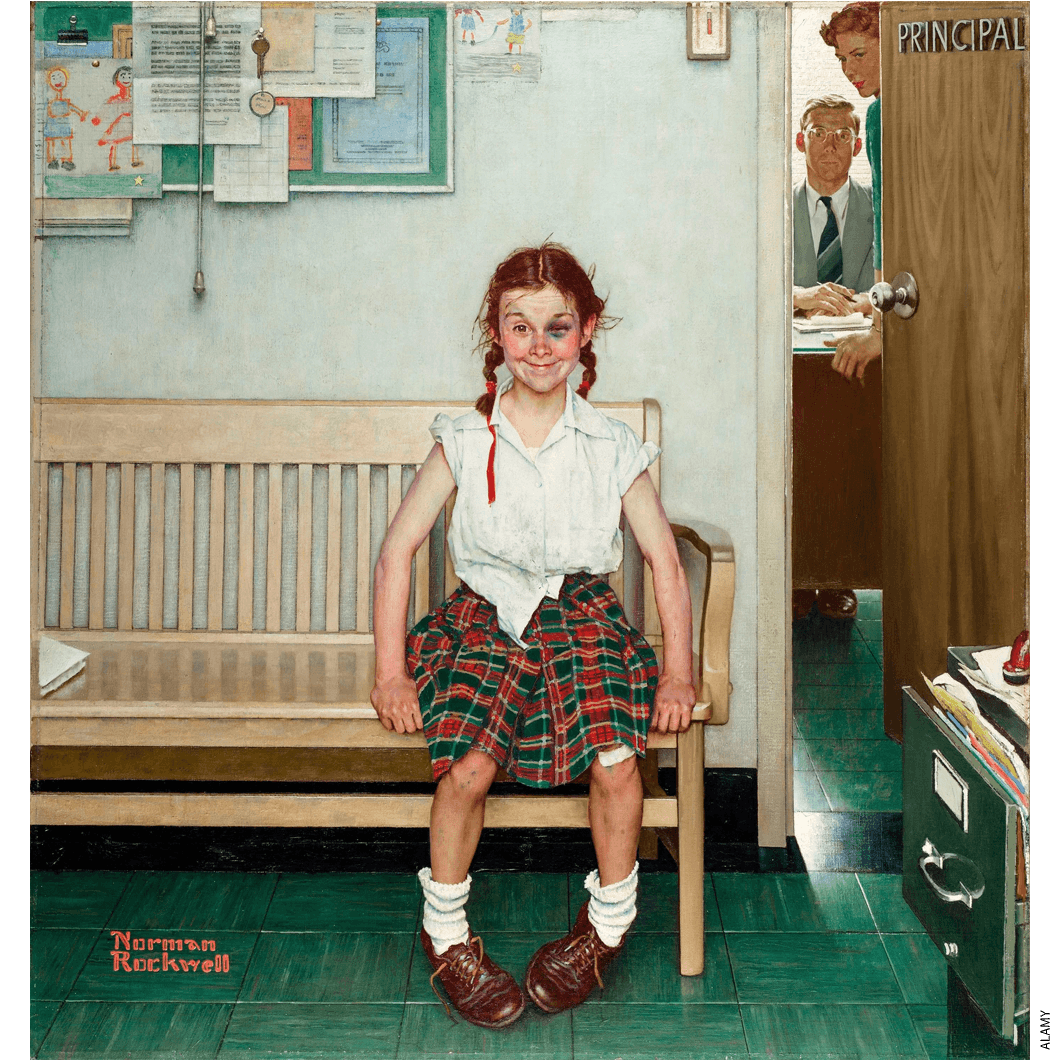
Nathan Maynard's "The Science of Discipline" proposes a framework for understanding and addressing student misbehavior by viewing it as a form of communication rather than defiance. The book argues that behavioral problems often signal underlying issues such as a lack of skills, unmet needs, emotional distress, or a breakdown in relationships. Maynard suggests that educators should approach discipline with curiosity, seeking to understand the root causes of a child's actions and helping them develop more constructive coping mechanisms.
This approach shifts the educator's role from a punitive enforcer of rules to a diagnostician, mentor, and guide. The book draws a parallel to James Madison's observation that "If men were angels, no government would be necessary," implying that institutions and disciplinary structures are needed because individuals, including children, are not inherently perfect. While acknowledging children's capacity for positive traits like generosity and curiosity, Maynard also recognizes their potential for impulsivity, deceit, and disruption.
Maynard's theory posits that misconduct is not necessarily a sign of character failure but an indicator of something deeper that requires investigation. By focusing on what a child is struggling to express through their behavior, educators can better support their development. This perspective encourages a more empathetic and analytical approach to classroom management, aiming to foster a more supportive learning environment.
The book's philosophy contrasts with disciplinary theories that rely heavily on punishment or adult authority. Instead, it emphasizes understanding, empathy, and skill-building as core components of effective discipline. Maynard's work encourages educators to look beyond surface-level behavior and engage with the complexities of child development and social-emotional learning.
Original source — read the full reporting at the publisher:
Read on Education NextGet the weekly AI digest
AI news + new model releases, weekly. Drafted by our agents, reviewed by humans.