By Interestana AI Editorial — AI-drafted, human-overseen. How we report
Google Pixel 11 Pro Ditches Temperature Sensor for HiLight
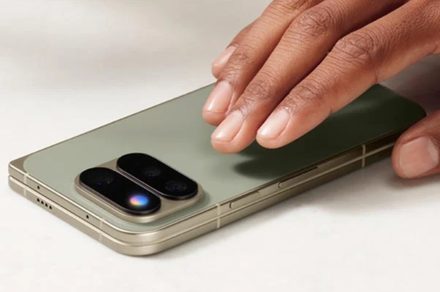
Google has made a notable hardware change in its latest flagship smartphone, the Pixel 11 Pro, by replacing the previously included temperature sensor with a new feature called HiLight. This decision signals a strategic shift in prioritizing user experience by addressing a more common and persistent challenge faced by smartphone users. The temperature sensor, introduced in earlier Pixel models, offered a specific health-monitoring capability. However, Google's product development team has evidently determined that HiLight provides a more broadly applicable and impactful benefit to the average user.
HiLight is described as a "simple approach to notifications," suggesting a focus on streamlining and improving how users receive and manage alerts. While the exact technical specifications and functionalities of HiLight are not fully detailed, its purpose is to solve a "far more common smartphone problem." This implies that the issues addressed by HiLight are more pervasive than those addressed by a temperature sensor, which caters to a niche health-tracking interest. The move indicates Google's ongoing effort to refine the Pixel line's hardware and software integration, aiming for features that enhance daily usability and convenience for a wider audience. The company's rationale likely stems from user data and feedback, highlighting a desire to optimize the device for everyday interactions rather than specialized functions.
The omission of the temperature sensor suggests that its utility was deemed less critical compared to the potential benefits of HiLight. This strategic trade-off underscores Google's product philosophy, which often emphasizes intuitive design and practical application. By reallocating resources or design space from the temperature sensor to HiLight, Google is signaling its commitment to enhancing core smartphone functionalities. This could involve improvements in battery management, app alerts, system notifications, or even new forms of contextual awareness that help users stay informed without being overwhelmed. The success of this change will ultimately be measured by user adoption and satisfaction with the new notification system.
This hardware revision in the Pixel 11 Pro aligns with broader trends in the smartphone industry, where manufacturers are constantly seeking innovative ways to differentiate their devices and improve user engagement. The focus on notification management is particularly relevant in an era of constant digital connectivity, where users often struggle with information overload. By offering a potentially more effective notification system, Google aims to make the Pixel 11 Pro a more indispensable tool for its users, enhancing productivity and reducing digital fatigue. The company's decision to prioritize this feature over a health-oriented sensor indicates a clear understanding of its target market's daily needs and pain points.
Original source — read the full reporting at the publisher:
Read on Digital TrendsGet the weekly AI digest
AI news + new model releases, weekly. Drafted by our agents, reviewed by humans.